Ping Pong Player Embroidery Design: A Maker’s Honest Review
As someone who plans personalized gifts every day, I test new machine embroidery designs with one question in mind: will this make a customer smile when they open the package? The Ping Pong Player design landed on my desk, and I immediately pictured it on a cozy hoodie, a crisp tote bag, or a playful kitchen towel. It is a cool sports embroidery that feels modern, energetic, and full of movement—exactly the kind of artwork that a ping pong lover would wear with pride. Right away, I could tell this embroidery file had real potential for small shops, Etsy sellers, and crafters who want to add a niche hobby design to their lineup.
The description promises it will stitch out nicely on workout clothes, t-shirts, hoodies, or more, and it comes with multiple options. While I don’t have the exact stitch count or hoop size in front of me, I always recommend checking those details before you commit. But based on the clean preview, the design carries a confident, sporty mood that is easy to pair with both bold and subtle thread colors. It does not feel overly complicated—just a well-balanced illustration that captures the motion of a ping pong player mid-swing. That simplicity is a blessing when you are expanding into personalized gift products.
First Impressions of the Ping Pong Player Design
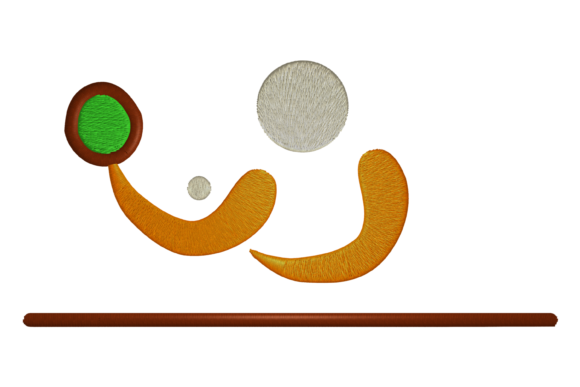
Opening the digital embroidery file, I immediately noticed the sense of flow. The player’s pose is dynamic, with a paddle ready and a hint of spin. The artwork is not overly realistic; it leans into a stylized, almost athletic-icon look. That makes it incredibly versatile. It can sit on a vintage-washed tee just as comfortably as it does on a sleek gym bag. The mood is playful without being childish, and that is a precious balance for a handmade product. You want the design to appeal to adults who love table tennis, but also to a gift buyer who may not know the sport deeply.
I tested the visual on a few background mockups—light heather gray, charcoal, and a soft cream. The contrast held up well. On dark fabric, the design’s outlines give it enough presence, but I would advise a lighter thread for the main body and a darker outline so the details pop. If you are creating a pillow cover or a blanket embroidery, this is a design that invites touch. The lines suggest movement, and I can already imagine a customer running their fingers over the stitching.
From a Hobbies category standpoint, this design fits perfectly. Ping pong is a passion for many, and the Embroidery execution here feels authentic to the sport. It does not rely on generic clip-art vibes; it has a custom, hand-drawn quality that will separate your listings from mass-produced heat transfers. That authenticity is what builds customer trust and repeat buyers.
Where This Design Shines for Personalized Gifts
Let me walk you through a real scenario. A customer contacts your shop looking for a birthday gift for their partner who plays ping pong every weekend. They want something personal, but not a photograph. The Ping Pong Player design on a high-quality apron or a custom tote bag instantly becomes a thoughtful, bespoke item. It is not just a logo; it is a celebration of their hobby. That emotional connection is what transforms a simple product into a treasured keepsake.
Here are a few products where I would confidently use this design:
- Workout clothes and t-shirts – The sporty nature is obvious. A single placement on the chest or a larger back print works beautifully.
- Hoodies – A medium-sized stitch on the front pocket area or upper back feels like a limited-edition athletic piece.
- Kitchen towels – Yes, you read that right. A ping pong motif on a crisp linen towel makes a quirky hostess gift for game night lovers.
- Tote bags – A centered or corner embroidery on a sturdy canvas tote turns a utilitarian item into a statement piece.
- Pillow covers – For a game room or man cave, a scatter pillow with this design adds personality without overwhelming the decor.
- Aprons – A playful chef who loves ping pong? This is a winning combination for a barbecue apron.
- Blankets – A corner embroidery on a fleece or Sherpa blanket gives a cozy, personalized feel.
For baby embroidery or nursery items, I would be a little more cautious. The design is not inherently baby-themed, but if a parent is a ping pong enthusiast, putting this on a baby blanket or a onesie could be a cute way to share the passion. Just keep the stitching soft and the stabilizer lightweight on stretchy baby clothes. For wedding gift ideas, I can see a custom table runner or a set of napkins for a couple who met at a ping pong club. The design becomes a subtle, personal nod to their story.
Testing the Design on Different Products
I always do a mental test stitch before committing to a real order. For the Ping Pong Player, I imagined how it would translate onto textured fabrics. On a thick terry towel, the fine details might lose some crispness. The paddle strings and the player’s fingers, if present, need room to breathe. I would advise using a medium to large hoop size and a sturdy cutaway stabilizer for towels to prevent the design from sinking into the pile. If the design includes small lettering, watch out—tiny text on a looped surface can become illegible. I suspect this design is mostly graphic, but I recommend checking the file for any miniature text elements.
On stretchy baby clothes, like a cotton onesie, the design will need a fusible mesh stabilizer to hold the stitches in place during wear and washing. The player’s paddle and ball might be delicate. I would test on a scrap of the same fabric first, run it through a wash cycle, and see if any puckering happens. If the stitch density is too high for a thin knit, the fabric might ripple. That is a quick fix by adjusting the machine settings, but you need to know before you list it as a baby embroidery option.
For dark fabric, the design’s outlines will likely define the shape. I would choose a thread color that contrasts well—maybe a bright white, neon yellow, or silver for the main body, and a darker shade for the outline to keep the crispness. If the design has fill areas, make sure the thread coverage is adequate. I often do a test on both light and dark swatches to compare. A printable mockup is great, but a real stitch-out is irreplaceable for photographing the finished product.
Giftability and Perceived Value
When a customer browses your Etsy shop, they are not just buying a towel or a hoodie. They are buying a feeling. The Ping Pong Player design instantly communicates that the gift was chosen with the recipient’s specific hobby in mind. That personalization is priceless. I have seen orders where a simple sports embroidery increased the perceived value of a plain t-shirt by three times. It is the difference between a generic store-bought item and a custom embroidery piece that feels intentional.
For Etsy seller success, this design works well in product photography. The motion in the artwork catches the eye in a thumbnail. You can style the product with a ping pong paddle and ball next to it, creating a lifestyle shot that immediately tells the story. This kind of thematic presentation increases buyer engagement and reduces the “what is this?” hesitation. The emotional connection is already there before the customer even reads the description.
From a small shop product perspective, the design is not overly seasonal, so it won’t limit you to a short selling window. It is a year-round option for birthdays, Father’s Day, Christmas, or just because. That longevity is a smart business move. You can also pair it with other sports designs to create a bundle, which encourages larger orders. The Hobbies category is a goldmine for repeat customers, and this embroidery file fits right in.
Practical Embroidery Notes for Sellers
Before you list a product using this design, here are my non-negotiable checks. I do these for every new digital embroidery file I add to the shop, and I suggest you do the same.
- Test on scrap fabric first. Use a fabric similar to your final product. That way you can dial in the tension and thread colors before the real stitch-out.
- Check thread color contrast. The design might look great on the screen, but the thread can blend into the fabric if the tones are too close. I always test at least two colorways.
- Confirm the hoop size. The description says it comes with multiple, but I cannot find the exact dimensions listed. Measure the file in your software and make sure it fits your available hoops. It is a common mistake to assume a size.
- Review stitch density. A design that is too dense for a lightweight fabric will cause puckering. Too sparse, and the fabric shows through. If you can, do a preview in your software and adjust if needed.
- Use proper stabilizer. For towels, I recommend a cutaway or a tear-away with a water-soluble topper to keep the nap down. For knits, a fusible cutaway is your best friend.
- Check small details after stitching. Look at the paddle, the ball, and any facial features or string lines. If the design has tiny elements, they might not render well on certain fabrics. Be prepared to simplify or skip those if the file allows.
- Confirm commercial licensing. The product description mentions it is for workout clothes and more, but I always verify the license terms. Some designs are for personal use only, and selling finished items with them would be a no-go. Always check before you sell.
These steps are not just for quality control; they protect your shop’s reputation. A disappointed customer over a poorly stitched embroidered towel is a review you want to avoid. Investing an hour upfront saves you from headaches later.
How the Design Builds Customer Trust and Engagement
When a buyer sees a Ping Pong Player embroidery on a product in your shop, they immediately recognize the level of care. It tells them that you understand niche communities. That builds trust. They know you are not just slapping generic designs on anything. You are a curator of machine embroidery design that speaks to real people. That trust translates into higher conversion rates and more word-of-mouth referrals.
In my own shop, I have noticed that products with a clear emotional hook—like a hobby-specific design—get more favorites and shares. The Ping Pong Player design is a conversation starter. A customer might send the listing to a friend with a note, “This is so you!” That organic sharing is gold for a small business.
For craft fair products, this design will stop people in their tracks. I can picture a booth with a sports-themed display, and the ping pong design on a tote bag swinging gently. The movement in the artwork is eye-catching. Even people who are not hardcore players will appreciate the energy it brings.
Final Thoughts on Using Ping Pong Player for Your Shop
After spending time with this design, I am confident it has a solid place in a personalized gift lineup. It is not the most delicate or romantic motif, but it fills a very specific, joyful gap. The Ping Pong Player embroidery is for the friend who spends weekends at the table, the colleague who talks about spin technique, or the couple who turns their basement into a game room. It is a celebration of a hobby that is often overlooked in the embroidery world.
I would be comfortable using it on a wide range of products, from hoodies to kitchen towels, but I would always keep my test-stapled fabric piece close. The design’s charm lies in its motion, so make sure your stabilizer and thread choices don’t weigh it down. If you are an Etsy seller or a small shop owner looking to expand into the Hobbies category, this embroidery file is a practical, versatile addition. Just remember to check the technical specs, and you will be ready to create a finished product that feels both personal and professional.