A Harp Embroidery Design Review for Craft Fair Success
As a professional embroidery designer preparing products for a weekend craft fair booth, every design choice is a practical business decision. When I evaluate a new embroidery file like Harp, I’m not just looking at the art; I’m judging its potential to sell, to catch a customer’s eye from across a crowded market aisle, and to be produced efficiently for a handmade product table. Let’s review this Harp design from the perspective of a maker with a tote bag to stitch and a sales goal to meet.
First Impression: Elegance & Delicate Appeal
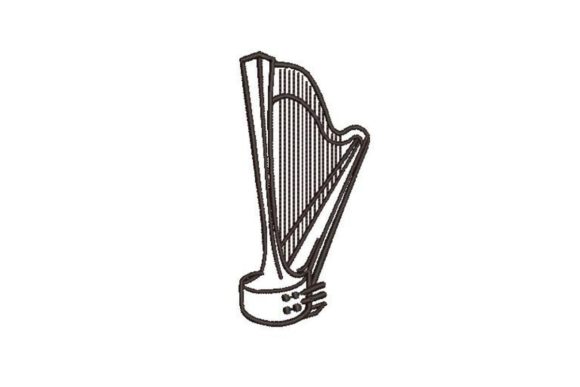
The description suggests a “beautifully featured” and “very well digitized” Harp design meant to add a “delicate touch.” This immediately frames it as elegant and decorative, not bold or funny. For a craft fair, this mood is powerful. It speaks to customers looking for a premium, gift-quality item—something with a soft, artistic feeling. In a booth filled with products, an elegant design like Harp can carve out a niche, attracting music lovers and those who appreciate subtle, refined details rather than loud statements.
Where This Harp Design Stands Out on Products
My table display typically includes tote bags, aprons, tea towels, caps, patches, small pouches, and pillow covers. I mentally test Harp on each.
- Tote Bags & Market Bags: A delicate harp on a solid-color canvas tote can elevate it from a simple bag to a “musician’s tote” or a gift for a music teacher. It works as a focal design, but given its likely intricate details, placement is key—centered or on a lower corner for visual interest.
- Aprons & Kitchen Towels: For a tea towel or apron, Harp leans more toward decorative than purely functional. It might sell best as a special “music room” or “creative kitchen” apron, targeting a specific customer rather than a general one.
- Embroidered Patches: This is a strong contender. A well-digitized harp patch could be a fantastic standalone product for musicians to add to a jacket or bag. It feels personal and niche, perfect for a craft fair where unique, identity-driven items sell well.
- Pillow Covers & Small Pouches: On a pillow cover, Harp becomes a home decor item. It suggests a cozy, artistic living space. On a small fabric pouch, it transforms a simple item into a “gift for a harpist” or a music-themed storage case.
- Caps: Embroidering on curved cap surfaces requires careful consideration. If the design has very dense stitch areas or tiny details, they might lose clarity on the cap’s textured, curved fabric. It’s worth testing on scrap fabric first.
The best chance to sell, in my view, is as a premium patch or on a minimalist tote bag. These products allow the elegance of the design to shine, feel giftable, and can be priced to reflect the handmade quality.
Practical Selling & Production Points
Turning a digital embroidery file into a profitable craft fair product involves several real-world checks.
Visual Clarity & Batch Production
Does the design work as a small accent or a large focal point? A “delicate” harp might be intricate. I need to see if it retains its beauty when scaled down for a pouch corner or scaled up for a pillow. This affects not only the final look but also production time and thread usage. For batch-producing multiple tote bags, a design with moderate stitch density is ideal. High density can slow production and cost more in thread.
How does it photograph for Etsy listings or printable mockups? Elegant designs often benefit from clean, light-colored backgrounds and good thread contrast. On dark fabric, the choice of thread color becomes critical to maintain that delicate appeal.
Careful-Use Notes for the Maker
The description mentions it’s “very well digitized,” which is promising, but as a designer, I always proceed with caution.
- Fabric & Stabilizer: On textured towels or thick tote bag fabric, using the correct stabilizer is non-optional to prevent puckering and ensure clean lines.
- Small Details: If the harp has tiny strings or fine decorative elements, they might be challenging on coarser fabrics like some canvas or linen. A test run on scrap fabric of the actual product material is my first step.
- Thread Contrast: For a delicate design to pop, the thread color must contrast sufficiently with the fabric. A pale gold harp on a cream bag might lose its impact, while a dark brown on cream could look striking.
- Hoop Size & Spacing: I would need to confirm the required hoop size from the actual embroidery file details before starting production. A design that fits a common, smaller hoop (like 4”x4”) is more versatile for small items.
Impact on Customer Attention & Booth Display
At a craft fair, visual appeal drives engagement. A booth sample with Harp embroidered on a high-quality tote bag acts as a silent salesperson. It communicates skill, attention to detail, and a niche aesthetic. This can strengthen brand consistency if your shop focuses on artistic, music-themed, or elegant handmade products.
Customer attention often gravitates toward items that tell a story. A harp isn’t just a generic shape; it’s an instrument with romantic and artistic associations. This can spark a conversation—“My daughter plays the harp!”—which increases buyer engagement and the likelihood of a sale. It adds perceived value, allowing you to price the product slightly higher than a simpler, more generic design.
Final Designer Notes Before the Fair
My professional routine before committing a design to a batch of products involves several steps.
- Test on Scrap Fabric: Embroider the harp on the exact material I plan to use (canvas for bags, cotton for towels).
- Check Stitch Density & Thread Colors: Look for any overly dense areas that might cause fabric distortion or require excessive thread changes.
- Review Spacing & Clarity: Ensure the design’s elements are distinct and don’t blend into a blur, especially at the size I intend to sell.
- Create a Real Mockup: Finish at least one complete, real product—a tote bag or patch—to see it as a customer would. This is invaluable for photographing for online sales and for the booth display itself.
- Compare Fabric Colors: Try the design on a light and a dark background to see which version has the strongest market appeal.
- Confirm Commercial Licensing: The description doesn’t specify license terms. It is essential to verify that the embroidery file comes with a license that allows me to sell the finished products commercially at a craft fair or on Etsy.
In conclusion, the Harp embroidery design, with its elegant and delicate features, holds strong potential for niche, premium craft fair products. Its success will hinge on pairing it with the right base product—like a tote bag or patch—and executing the embroidery with careful attention to fabric, thread, and stabilizer. For the embroidery business owner targeting music lovers and gift shoppers, it could be a standout piece that draws eyes to your booth and adds a touch of artistic sophistication to your handmade product line.