Heavy Truck Embroidery: Craft Fair Product Review
Every seasoned embroidery designer knows that certain designs jump off the screen the moment you see them. The Heavy Truck machine embroidery design is one of those. It’s unapologetically bold, nostalgic, and built for a very specific audience that loves to wear their passion on their sleeve—literally. From the first glance, this design signals “rugged charm,” not “delicate craft.” It’s a design that makes you think of dusty roads, hard work, and loyal drivers. For a craft fair booth, that’s an immediate emotional hook.
As someone who tests dozens of embroidery files before a market season, I look for designs that are easy to read at a glance, hold up on textured fabrics, and spark conversations. Heavy Truck ticks all those boxes. The description promises a “cool embroidery of a heavy truck” that is “fun and easy to stitch,” and that easy-stitch quality is gold when you’re producing multiples. It’s described as perfect for truck driver gifts, and that’s a niche just waiting to be tapped. But I’m not just thinking about gifts—I’m picturing caps, totes, and kitchen towels piled high on my table, each one telling a story.
First Impressions: Bold, Playful, and Instantly Recognizable
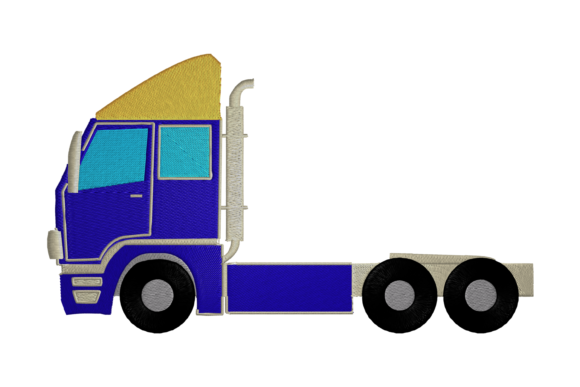
When I opened the Heavy Truck design file preview, I immediately saw a classic silhouette—a sturdy cab, a long trailer, and wheels that look like they’re ready to roll. There’s nothing overly fussy about it. The lines are clean, the proportions are blocky in the best way, and the overall vibe is more “playful and graphic” than “photorealistic.” That’s a huge advantage for an embroidery file. Hyper-detailed designs often lose clarity on fabric, but this one feels like it was made to be stitched. It falls into that sweet spot between retro workwear and modern minimalism. The Travel category fits perfectly, though I’d argue it’s more about a lifestyle than a destination.
What I appreciate most is the instant recognition factor. A customer walking past your booth doesn’t have time to squint. They need to see the shape and feel a connection. Heavy Truck delivers that. It’s not a fussy farmhouse design or a delicate floral; it’s tough, approachable, and fun. And because the description hints at multiple embroidery files included, you might get variations or sizes that let you play with placement. That’s a smart bonus for a craft fair product.
Where Heavy Truck Shines: Top Products for Your Booth
Not every design works on every blank. After testing similar truck-themed embroidery files, I’ve learned exactly where a design like this will pull its weight. Here’s how I’d use Heavy Truck to build a cohesive product line.
Tote Bags and Market Bags
A large, centered placement of Heavy Truck on a canvas tote bag is a no-brainer. It becomes a statement piece. The sturdy fabric handles dense stitch areas well, and the design’s solid silhouette looks substantial without overwhelming the bag. I’d offer it in two sizes: a large back panel version for maximum impact, and a smaller pocket accent tote. Use a contrasting thread color—think bright white or golden yellow on a navy or olive tote—and the truck pops. These bags sell quickly to shoppers looking for a reusable grocery bag with personality. The tote bag design instantly elevates from plain to premium.
Caps and Hats
This is the trickiest yet most rewarding product. A Heavy Truck embroidered cap immediately reads as a trucker cap, even if it’s a modern dad hat. The curved surface can distort small details, but the blocky nature of this design is forgiving. I’d place it on the front panel, slightly left of center for a casual look, or center it for a more structured cap. The key is to test on a curved cap frame before committing to a batch. The design’s bold lines hold up, but if any tiny windows or wheel details are included, they might need careful hooping and a water-soluble stabilizer to keep edges crisp. A cap with this design becomes a magnet for dads, mechanics, and anyone who loves big rigs.
Aprons and Kitchen Towels
Putting a heavy truck on a kitchen apron might sound unexpected, but it’s a brilliant move. Think of the barbecue enthusiast or the mechanic who also cooks. A rugged twill apron with Heavy Truck stitched on the chest pocket feels like a premium gift. For tea towels, I’d reduce the size slightly and place it in a corner, paired with a witty phrase or a simple border. The tea towel embroidery market loves conversational designs, and this one sparks a smile. Just be mindful of the towel’s texture: a tightly woven cotton-linen blend will show the stitches better than a deep terry loop, which can swallow details.
Patches and Small Pouches
If the Heavy Truck design can be stitched at a small scale, embroidered patches are a low-cost, high-margin product. I’d stitch it on a felt base, trim it, and add a heat-seal backing. Patches are easy to display in a basket and let customers imagine customizing their own jackets. Small zipper pouches with a truck motif become the perfect electronics or tool kit for the truck enthusiast. At this scale, stitch density matters more than ever—too many dense areas can make the patch stiff and hard to sew onto garments. I’d run a test patch and trim it close to the edge to avoid a bulletproof plasticky feel.
Pillow Covers and Home Decor
A 16”x16” pillow cover with a large Heavy Truck centered on the front blends rustic charm with a modern nursery or a man cave accent. The design’s playful nature means it works in a child’s room themed around vehicles, but it’s not so juvenile that it can’t sit in a leather armchair. I’d choose a linen or cotton-blend fabric and pair it with a neutral backdrop. The handmade product instantly feels more substantial and giftable.
Booth Display and Customer Engagement
At a craft fair, your display tells a story. A table filled with Heavy Truck products creates a cohesive theme that draws the eye. I’d group all the truck items together: a cap hanging on a stand, a tote bag propped up, a folded apron with the design visible, and a few patches scattered like confetti. This visual rhythm stops shoppers. They’ll smile, point, and often say, “My nephew would love this!” or “My husband is a truck driver.” The design’s bold shape is recognizable from across the aisle, which is a huge win for booth engagement.
Because the design is so conversation-driven, it also gives you a chance to talk about the production process. People love hearing that it’s a machine embroidery design stitched by you, not a mass-produced vinyl transfer. The tactile quality of dense embroidery on a cap brim or a tote bag reassures customers of the handmade value.
Photography and Etsy Listings: Making the Design Pop
If you sell online as an Etsy seller or small shop owner, the Heavy Truck design photographs beautifully. The strong silhouette reads well in thumbnail images, and the texture of the stitches adds depth that catches the light. I’d recommend using a natural, uncluttered background—a piece of reclaimed wood or a plain concrete wall—to keep the focus on the design. The contrast between the thread color and the fabric is critical. A dark truck on a dark fabric may look muddy in photos, so test thread colors: a bright orange, white, or even a two-tone combination can make the design leap off the product.
For your Etsy seller listings, include a printable mockup or a styled photo of the finished product. Showing the truck on a tote bag held by a person or on a cap worn casually gives your customer the confidence to buy. The design’s theme is easy to tag: truck driver gift, big rig embroidery, mechanic gift, father’s day present, and so on. The Travel category might not be the most intuitive for a trucker design, but it can work if you frame it as “on the road” or “adventure.” I’d still lean into the occupation and hobby niches first.
Production Checklist: Test Before You Commit
Before you stitch a dozen of these for your next market, I have a few hard-won lessons from years of testing embroidery files. The Heavy Truck design is described as easy to stitch, but every machine and fabric combination behaves differently. Use this checklist:
- Stitch density: Look for any areas where the design gets overly dense—often the wheels or the cab roof. Dense stitching on thick fabric can cause thread breaks and needle wear. Run a test on a scrap of the same fabric you’ll use for production.
- Small details: If the truck includes tiny windows, mirrors, or lettering, verify that they stitch clearly at the intended size. Anything smaller than 1mm may fill in or disappear on textured fabrics. Consider scaling up slightly if the design allows.
- Thread colors and contrast: A dark truck silhouette on a dark tote bag may look like a blob. Test a sample with a thread color that contrasts sharply with your fabric. Keep a reference swatch of your thread choices so you can replicate the exact look.
- Stabilizer selection: For caps, use a heavy cutaway stabilizer and a water-soluble topping to keep the stitches from sinking into the fabric. For towels, a no-show mesh stabilizer preserves the soft drape. For sturdy totes, a medium-weight cutaway works well.
- Hoop size and placement: The description mentions multiple embroidery files, so you likely have size options. Always confirm the largest design fits within your hoop before you commit to a product lineup. Mark the center of your blank with a disappearing pen to ensure consistent placement across multiple units.
- Fabric texture: A loosely woven linen or a deep terry towel can distort the design. Test on a small swatch first. If the stitches look wobbly, fuse a lightweight interfacing behind the area to stabilize.
- Curved surfaces: Caps are the most challenging. Don’t assume the design will look perfect on a curved cap if it was digitized for flat goods. Stitch one sample and assess for puckering or distortion. Adjust your placement or digitizing parameters if needed.
I always recommend creating at least one real mockup of each product type before committing to inventory. Wear the cap for a day, wash the tea towel, fill the tote bag with heavy items. This real-world testing reveals any weak points in the design’s durability.
Commercial Licensing and File Details
The product description states that the design comes with multiple embr—likely multiple embroidery file formats or size variations. That’s a great start, but before you sell finished products, you must check the commercial licensing terms. Some digital embroidery files are for personal use only; others allow you to sell products made with the design, but not sell the file itself. As a craft fair vendor, you’re selling the finished product, so ensure you have the right to do so. If the seller doesn’t provide clear license information, reach out before you invest in materials.
Additionally, I’d recommend noting the exact hoop size required for each file, the stitch count, and the available formats. The description doesn’t specify these, so you’ll need to verify them after purchase. Open the file in your embroidery software and check for any jump stitches that need trimming, and confirm the design runs smoothly on your machine. A test stitch is non-negotiable.
Final Verdict: A Solid Investment for the Right Seller
Heavy Truck is a design that knows exactly what it is. It doesn’t try to be elegant or trendy; it’s rugged, playful, and instantly recognizable. For a craft fair seller, that translates to a product that sells itself. It’s not a design for every booth—if your brand is soft pastels and floral lace, this might feel out of place. But if you cater to a crowd that loves the outdoors, hard work, or trucking culture, Heavy Truck will become a staple in your lineup.
I’d confidently build a whole collection around it: matching tote bags, caps, aprons, and patches. The easy-stitch promise and the multiple files make it a practical choice for batch production. Just remember to test thoroughly, pay attention to contrast, and get the commercial license sorted. Then, watch as customers gravitate toward your booth, point at the truck, and share their own road stories. That’s the kind of emotional connection that turns a handmade product into a sale.