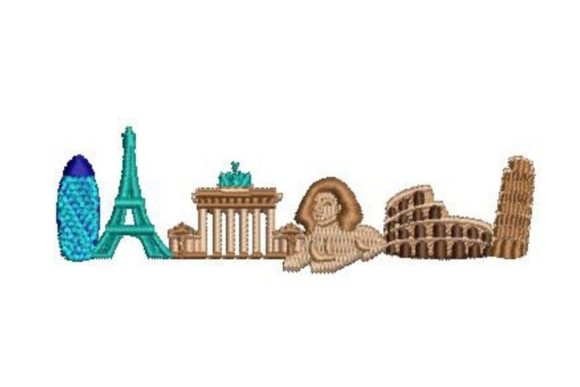
A Craft Fair Perspective on the World Landmarks Embroidery Design
First Impression: Cute, Bold, and Instantly Recognizable
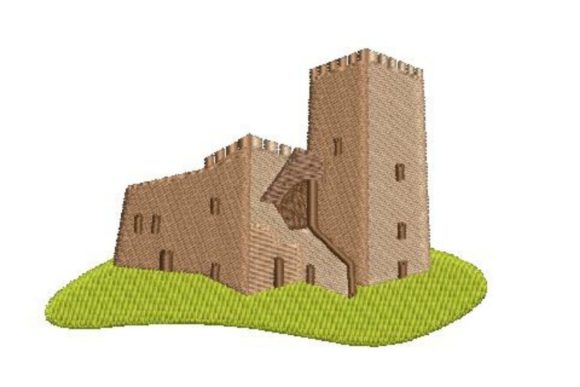
When I opened the World Landmarks file, my first thought was, “This is a craft fair winner.” The description calls it cute, and it absolutely is, but it’s also bold. It has that immediate, graphic appeal that catches eyes from across a booth. It’s not overly rustic or minimal; it’s decorative and modern in its approach to famous structures. For the Around The World category, this strikes a perfect balance between being a charming collectible and a clear statement piece for travel fans. That dual appeal is a huge selling advantage.
Where This Design Shines on Products
In preparing for a weekend market, I mentally run through my inventory. World Landmarks isn’t a one-product design. Its strength is its versatility across different price points and uses.
- Tote Bags & Market Bags: This is a prime focal design. Embroidered large on a plain canvas bag, it becomes the bag’s entire personality. It’s giftable and practical, appealing to customers looking for a unique, usable item.
- Aprons & Tea Towels: For kitchen products, it leans into a decorative, global kitchen theme. On an apron, positioned centrally, it feels fun and personal. On a tea towel, it’s a bold accent that elevates a simple item.
- Caps: This requires careful testing. The curved surface of a cap can distort designs. The landmarks need to be evaluated for clarity at a smaller size suitable for a cap front. If the details remain crisp, it’s a fantastic product for the travel-loving customer.
- Embroidered Patches: This is a brilliant application. As a standalone patch, World Landmarks becomes a versatile product. Customers can buy it to apply to their own jackets, bags, or journals. It’s lower-cost to produce and opens up a different buyer segment.
- Pillow Covers & Pouches: For home decor or small gift items like fabric pouches, the design adds a premium, handmade quality. It suggests a story and a personal interest, increasing the perceived value beyond a plain pillow.
For booth samples, I would absolutely create one standout tote bag and one tea towel. These are high-visibility items that show the design’s scale and texture beautifully in person.
Practical Selling Points: Clarity and Repeatability
From a seller’s perspective, World Landmarks has key advantages. Its concept is easy to understand at a glance—a collection of iconic buildings. This is crucial at a busy fair where customers don’t linger on every item. It works as both a large focal point and, if scaled down, a smaller accent on something like a pouch pocket. For batch production, the repeatability looks good. It’s a cohesive design that would look consistent across a batch of tote bags, strengthening your brand consistency on the display table.
For Etsy sellers and online shops, this design should photograph well. The bold lines and recognizable shapes will translate clearly in listing photos, even against textured fabrics like linen. Creating a real physical mockup for photos is essential, as it shows the true thread texture and color.
Production Notes and Careful-Use Considerations
As an embroidery designer turning this file into physical products, here are my practical notes:
- Stitch Density & Detail: With multiple landmarks, check for dense stitch areas, especially if buildings are filled. On thick fabric like canvas, this is fine, but on finer tea towel fabric, a very dense area might require a sturdy stabilizer to prevent puckering.
- Small Lettering or Tiny Details: If the design includes very small text or intricate building details, they might lose clarity on smaller products like caps or when embroidered on dark fabric where thread contrast is critical. Always test on scrap fabric first.
- Fabric & Color: This design likely pops best on neutral backgrounds—cream, white, light grey—but also test on bold colors like navy. The thread color palette needs to contrast well with the fabric choice.
- Hoop Size & Stabilizer: The design’s dimensions dictate your hoop size. For a large tote bag application, you need to confirm the file fits comfortably in your available hoop. Using the correct stabilizer for the fabric texture—especially for textured towels or curved caps—is non-negotiable for a clean finish.
- Commercial Licensing: Before selling any finished product, verify the digital embroidery file comes with a commercial license. This is a fundamental step for any small shop product.
How It Drives Customer Engagement and Booth Appeal
World Landmarks directly affects your booth’s energy. It’s a design that invites conversation. A customer might point out their favorite landmark or reminisce about a trip. That engagement is priceless. Visually, a row of tote bags featuring this design creates a strong, thematic display that tells customers exactly what you offer—charming, well-made handmade products with personality.
It increases product value by transforming a generic blank into a story piece. The handmade quality of the embroidery itself—the texture of the stitches—adds to that value proposition. For the creative entrepreneur, this design is a solid asset. It’s adaptable, has clear market appeal to travelers and gift-buyers, and can anchor a whole section of your craft fair product lineup.
My final advice is to make the first sample. Hoop up a scrap of your most common bag fabric, run the World Landmarks embroidery file, and see it come to life. Examine the stitch coverage, the thread colors against your material, and the overall feel. That hands-on test is the only way to confidently turn a promising digital design into a bestselling, booth-ready product.