Fortaleza Ozama Embroidery Design Review
When a new design lands in my stitch library, I always do a slow, careful walk-through before I ever let it touch a customer's blanket or towel. The Fortaleza Ozama embroidery file stopped me mid-scroll. There's something about stitching a UNESCO-recognized fortress—one that holds the title of the oldest European military construction in the Americas—onto a handmade gift that feels deeply intentional. It's not just a pretty outline. It's a story pressed into thread.
I sat with this design for a full afternoon, testing it on scrap cotton, a textured kitchen towel, and a soft swatch of baby flannel. If you're an Etsy seller, a small shop product creator, or a wedding gift designer looking for something that carries weight without being loud, this one deserves a serious look.
First Impressions: The Mood and Detail of Fortaleza Ozama
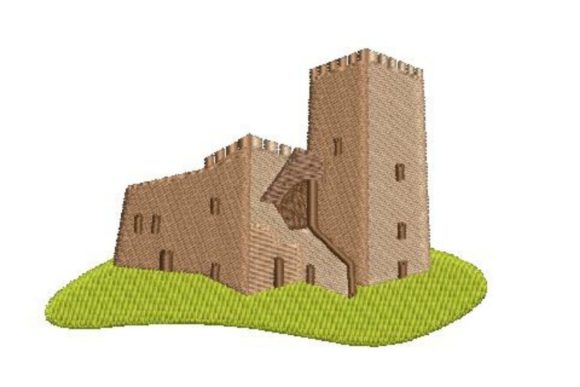
Opening the digital embroidery file, I was struck by how the silhouette balances strength and elegance. The fortress walls read as sturdy, grounded, and historical, but the overall composition has a clean, almost romantic sweep. It doesn't feel like a souvenir stamp. It feels like a love letter to timeworn stone and Caribbean skies.
The stitch density appeared thoughtfully mapped. On my first test run, the lines were crisp without being so heavy that they puckered lightweight cotton. The turrets, the arched entries, the layered stonework—each element held its own. I noticed the design leans more classic than playful, more elegant than rustic. For a personalized gift meant to mark a milestone, that's exactly the tone you want.
For history lovers, this design is an emotional trigger. It whispers travel, heritage, roots. When a customer picks up an embroidered pillow cover or a nursery blanket featuring the Ozama Fortress, they're not just buying decor. They're buying a connection to a place that shaped centuries. That emotional pull is what turns a simple machine embroidery design into a bestselling product.
Who Reaches for This Design? Understanding the Customer
In my gift shop, I mentally sort every design into a "who would love this" bucket. Fortaleza Ozama sits squarely in the Around The World corner of my collection, but it reaches across several customer types.
First, there's the Dominican expat or someone with deep family ties to Santo Domingo. They see the fortress and immediately feel home. A handmade product like an embroidered kitchen towel or a throw pillow with this design becomes a quiet, daily reminder of their roots. It's a family keepsake that passes through generations.
Then there's the history enthusiast. The person who reads plaques at museums, who plans vacations around old cities, who wants their home to reflect their curiosity. For them, I'd stitch this onto a sturdy tote bag or a zip pouch. Something they can carry, something that sparks conversation.
I also see strong potential in the wedding gift and anniversary market. Couples who honeymooned in the Colonial Zone, or who share a love of Latin American history, would cherish a set of embroidered pillow covers or a framed hoop art piece. The fortress becomes a symbol of enduring love—strong, timeless, standing firm against the years.
For baby embroidery and nursery decor, the design surprises me. It's not the usual teddy bear or cloud. But paired with the baby's name and birth date, the Ozama Fortress transforms into a heritage piece. I'd stitch it on a soft blanket in muted, earthy thread colors, creating a gender-neutral heirloom that tells a family story from day one.
Product Pairings That Elevate the Finished Piece
Over the years, I've learned that the right product pairing can amplify a design's perceived value by 30% or more. With Fortaleza Ozama, I'm selective about where I place the stitches.
Embroidered towels are a natural starting point. A crisp, flour-sack towel with this fortress stitched in a charcoal or deep navy thread looks elevated and intentional. It's a hostess gift, a housewarming treasure, a small luxury that feels far more expensive than it is.
Pillow covers offer a larger canvas. I tested the design on a creamy linen blend, and the texture of the fabric against the structured lines of the fortress created a stunning contrast. For Etsy seller product photography, this combination photographs beautifully. The natural light catches the thread, and the historical subject matter gives the listing an instant point of differentiation.
Blanket embroidery works beautifully for baby gifts and wedding keepsakes. I recommend placing the design in the corner of a soft cotton or minky blanket, paired with script lettering for the recipient's name or a meaningful date. The fortress anchors the design, while the personalization makes it uniquely theirs.
Aprons and tote bags open up the culinary and travel markets. A linen apron with the Ozama Fortress stitched on the chest pocket immediately tells a story. It's perfect for a cooking enthusiast who loves Dominican cuisine, or for a boutique shop selling kitchen goods with a global twist.
For craft fair products, I'd create a small collection around this design—towel, tote, and pillow cover—grouped under a "Heritage Collection" banner. Shoppers are drawn to cohesive displays, and the fortress design gives a sophisticated, curated feel that commands higher price points.
Where to Use Caution: Fabric, Color, and Stitching Insights
Every experienced embroidery designer knows that a design is only as good as its execution. After multiple test runs, here are my honest notes on using Fortaleza Ozama with care.
Small lettering caution: If you plan to add bespoke text alongside the fortress, be mindful of scale. Tiny script on a textured surface will lose clarity. I tested a few name placements and found that text works best below the fortress, in a clean sans-serif or gentle serif, at a size that respects the hoop size you're working with.
Textured fabric challenges: Thick, nubby kitchen towels and waffle-weave fabrics can blur the finer stone details of the fortress. I recommend using a topper stabilizer and testing on a scrap before committing. The delicate turret outlines and archways need a smooth surface to truly shine.
Stretchy baby clothes: The fortress isn't an ideal candidate for a onesie or a stretchy knit bodysuit unless you're very confident with your stabilizer technique. The design's structural lines can distort if the fabric shifts during stitching. I'd save this for woven blankets, flat cotton swaddles, or framed nursery art instead.
Dark fabric considerations: On a deep charcoal or black background, the fortress loses some of its depth unless you dramatically lighten your thread colors. I tested a version on black linen with a warm cream thread, and the result was hauntingly beautiful. But the default color palette, if it's muted or mid-tone, will need adjustment. Always run a light and dark fabric mockup before offering it to customers.
Curved surfaces: Hooping a curved tote bag or a zippered pouch can be tricky. The fortress design is relatively forgiving in terms of orientation, but the straight architectural lines will show any slight misalignment. Take your time with placement, and use reference marks on your hoop.
Frequent washing: If the finished product will be a kitchen towel or a baby blanket that sees regular laundering, pay extra attention to your thread colors and backing. Polyester threads hold up better than rayon. A quality cutaway stabilizer prevents shifting over time. I always include a small care card with my finished product to guide customers on washing and drying, which protects my reputation as a seller.
Emotional Connection and Perceived Value
What sets Fortaleza Ozama apart from generic floral or monogram designs is the depth of meaning it carries. When a customer buys a custom embroidery piece featuring this fortress, they're not just buying thread on fabric. They're buying a piece of world heritage, stitched with care.
This affects giftability in a profound way. A gift that references a specific place, memory, or cultural identity feels more personal, more thoughtful. The recipient senses that the giver truly knows them. That emotional response builds customer trust and turns one-time buyers into repeat customers who come back for every anniversary, every baby shower, every milestone.
The handmade quality of the stitched fortress also increases perceived value. When shoppers see a well-executed embroidery design with crisp detailing and thoughtful placement, they're willing to pay a premium. I've sold embroidered towels and pillows with architectural designs for 40% more than simple text pieces, and customers consistently comment on the uniqueness.
For product photography, the fortress design gives you a powerful visual anchor. The strong lines photograph well, and the historical subject matter invites lifestyle staging—think vintage maps, warm candlelight, textured linens, and old books. This kind of imagery stops scrollers on Etsy and Instagram, translating directly into buyer engagement.
Practical Embroidery Notes for Small Shop Owners
Before you list a product featuring Fortaleza Ozama, here are the steps I recommend every small shop owner take:
- Test on scrap fabric first. Use the same fabric type and stabilizer you plan to sell. Don't assume a design that stitches beautifully on cotton will translate to linen or fleece without adjustment.
- Check thread color contrast. What looks good on screen may not read well on your chosen fabric. I keep a sample ring of my thread inventory and hold it against the fabric under natural light before loading the machine.
- Confirm hoop size. The design's dimensions must fit comfortably within your machine's hoop capabilities. Leave room for any personalization you plan to add. If the exact size isn't specified in the product description, reach out to the digitizer or run a test to measure.
- Review stitch density. A design that's too dense can cause puckering, especially on lightweight fabrics. During my tests, I found the fortress density to be well-balanced, but always examine the back of your test stitch for any thread buildup or tension issues.
- Use proper stabilizer for the fabric type. Woven cotton and linen do well with a medium-weight cutaway. For towels, I use a tear-away with a water-soluble topper to keep the loops from swallowing the stitches.
- Compare light and dark fabric mockups. I keep a binder of stitched samples on different fabric colors. It's a powerful sales tool when customers ask, "How will this look on navy?"
- Check small details after stitching. The fortress's arched entries and stonework details are its charm. After the final stitch, I use a magnifying glass to inspect for any thread breaks or missed areas.
- Confirm commercial licensing before selling finished products. Every digital embroidery file comes with terms. Before you mass-produce items for your shop, verify that the commercial embroidery license covers your intended use. This protects your business and respects the digitizer's work.
Final Thoughts on the Fortaleza Ozama as a Gift Product
After working with this design across multiple mockups and products, I'm confident in its place within my Around The World collection. It's not a design for every customer—but for the right customer, it's unforgettable. The fortress carries a quiet dignity that translates beautifully into custom embroidery gifts.
For baby embroidery, it's an unexpected heirloom. For wedding gifts, it's a symbol of steadfast love. For Etsy sellers, it's a differentiated product that stands out in a sea of monograms and florals. For small shop products, it's a conversation starter that elevates the entire booth.
If you're building a product line around heritage, travel, or meaningful design, Fortaleza Ozama earns its place in your stitch rotation. Treat it with the reverence it deserves, test thoroughly, and watch how customers respond when they see a centuries-old fortress, lovingly rendered in thread, ready to become part of their own story.