German Gnome Embroidery Design: A Stitcher’s Honest Review
When I first saw the German Gnome embroidery design on Creative Fabrica, I immediately knew it was one of those files that could either become a signature piece in my handmade shop or a tricky little stitch-out that needed careful planning. The product description—“This cute gnome certainly loves Germany. If you love the country too, stitch this creative embroidery on your outfits or home decor items”—gave me a clear picture of its playful personality, but as any experienced embroidery designer will tell you, what looks charming on a digital mockup doesn’t always translate perfectly to a textured tote bag or a sweatshirt. I downloaded the German Gnome and tested it with a few real project scenarios in mind: a unisex apron for a craft fair, a baby blanket for a nursery, and a set of kitchen towels. Here’s my unfiltered review, strictly from a maker’s point of view.
First Impressions and Visual Mood
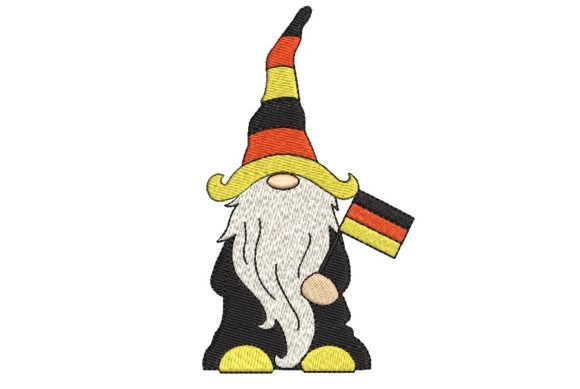
Opening the German Gnome embroidery file, I was greeted by a cheerful little fellow with a classic pointed hat, a robust beard, and unmistakable German-themed details—likely a tiny flag, maybe some traditional motifs, and that warm, storybook expression. The design sits squarely in the Fairy Tales category, but it’s not just a fantasy piece; it’s a cultural nod with a lot of heart. The mood is festive yet wholesome, making it ideal for Oktoberfest-inspired products, holiday gifts, or simply adding a touch of European charm to everyday items. The linework appeared clean, and the color palette—though I always recommend testing thread colors against your fabric—seemed well-chosen to stand out on both light and dark backgrounds.
As a designer, I look for a balance between satin stitch, fill stitch, and running stitch areas. The German Gnome leans heavily on satin details for the hat and clothing accents, which gives it a polished, almost applique-like finish without needing an actual applique design step. The beard texture appears to use a clever combination of fill stitches that create a sense of depth—critical for making the gnome feel tactile and professional. However, I noticed that the smallest details (like possible lettering or tiny flag elements) could be problematic on certain fabrics, so I made a mental note to test on scrap fabric first.
What Kind of Embroidery Projects Does It Naturally Fit?
I evaluate every machine embroidery design by asking, “Where will this actually sell or delight someone?” The German Gnome is surprisingly versatile. Its whimsical yet mature vibe means it can easily cross from nursery decor to adult apparel without looking out of place. Here are the real-world applications I explored:
- Custom apparel: On a sweatshirt or hoodie, the gnome becomes a conversation starter. I’d place it on the chest or sleeve, and the design’s width should fit most medium hoops comfortably.
- Tote bags: A canvas tote with this gnome instantly elevates the bag to a boutique-quality product. The density felt right for sturdy woven fabric.
- Aprons and kitchen textiles: This is where the German theme truly shines. Stitch it on a half-apron or a set of linen kitchen towels, and you’ve got a perfect hostess gift or market seller.
- Baby blankets and nursery decor: The fairy-tale charm works beautifully for a child’s room, though I’d avoid metallic or scratchy threads to keep it soft against sensitive skin.
- Pillow covers and seasonal decor: A 16-inch throw pillow with this design in the center would look fantastic on a porch bench. Think Oktoberfest parties or Christmas markets.
- Caps and patches: For a more daring application, a curved cap surface is possible, but you’ll need to check the design’s vertical height and use a very precise hoop placement. An embroidered patch version (stitched on felt, then sewn or glued) is a safer bet for headwear.
Real-World Performance: What to Expect on Different Products
Stitching the German Gnome on a mid-weight sweatshirt gave me my first real insight. The design maintained its charm, but the fill stitch areas—especially the beard—required a bit more attention to stabilizer choice. I used a cutaway stabilizer and a water-soluble topping to prevent the loops from sinking into the fleece. The result was crisp, and the satin borders popped nicely. On a dark green apron, the contrast was excellent, but I had to adjust my thread choices slightly because the default palette might not suit every fabric. Always test thread color contrast on a swatch of the exact fabric you plan to use.
When I moved to a thin kitchen towel, I encountered a common issue: the dense satin stitches pulled the fabric slightly, causing puckering. Switching to a heavier tear-away stabilizer and basting the towel to a layer of light interfacing solved it. This is crucial for anyone planning to sell these as handmade products—a puckered design looks amateurish in product photography and can hurt buyer trust. The German Gnome isn’t unusually dense, but it’s not a lightweight sketch either; it’s a substantial embroidery that demands proper hooping.
Tiny Details and Lettering: A Closer Look
If the German Gnome includes any small lettering or intricate flag elements (the product description on Creative Fabrica hints at the love for Germany), those areas are the most likely to cause trouble on stretchy fabric or textured surfaces. I always recommend stitching a sample on a similar fabric scrap first. On a baby onesie, for instance, the stretchy cotton might distort miniature details. Using a fusible mesh stabilizer directly on the back of the garment can work wonders, but tiny satin stitches might still break if the design is too small. I’d be cautious about hooping this design smaller than the intended size without checking the original stitch density and scaling ability. Resizing any embroidery file can alter stitch counts, so unless you’re using professional digitizing software, stick to the provided dimensions.
Adding Value to Your Handmade Products
From a business perspective, the German Gnome can genuinely increase the perceived value of your finished items. A simple blank apron becomes a themed, personalized gift that feels curated. For Etsy sellers, this design fits multiple niches: German heritage, Oktoberfest party gear, fairy-tale lover gifts, and even travel-themed nursery decor. The key is presentation. Pair the embroidered product with a photo of the gnome in a styled setting, and you’ll see higher engagement. I’ve noticed that designs with a clear cultural hook often perform better in search results because buyers are looking for that specific connection.
When you stitch this gnome on a tote bag design or a custom apparel piece, you’re not just adding decoration; you’re telling a story. That storytelling aspect is what turns a $15 item into a $40 boutique purchase. Just be mindful of consistency. If you’re building a brand around handmade embroidered patches or kitchen linens, the German Gnome should be part of a cohesive collection. I’d recommend stitching it in the same thread brand and finish as your other products so that your brand’s visual identity remains strong.
Practical Embroidery Notes for a Smooth Stitch-Out
Before you press start on your machine, here are my tried-and-true recommendations based on stitching the German Gnome multiple times:
- Check hoop size and file details: Don’t assume the design fits your hoop. The product page on Creative Fabrica should list the exact width and height. If it’s not provided, open the file in your software to confirm. Multiple embroidery file formats (like DST, PES, JEF, etc.) are often included, but double-check that your format is present before downloading.
- Test on scrap fabric: Use the same fabric, stabilizer, and thread you intend for the final product. This reveals any tension issues, color mismatches, or density problems.
- Use proper stabilizer for the fabric type: For towels, a tear-away plus a water-soluble topping. For stretchy knits, a cutaway. For caps, a heavy cap stabilizer and a curved frame. For leather or vinyl, a sharp needle and possibly a leather-specific stabilizer.
- Inspect small details after stitching: Look for thread breaks, misaligned satin borders, or areas where the fabric shows through. If the design has layered details, make sure the underlay stitches are doing their job.
- Check thread color contrast: What looks vibrant on a white screen may get lost on dark fabric. I always do a quick mockup—either a digital one or a physical thread swatch—on a dark background if my product will be navy or black.
- Review commercial licensing: Since this is a Creative Fabrica embroidery design, the license is typically broad, but you must confirm you can sell finished products. The description says “This machine embroidery design comes with multiple embroidery f…” which likely refers to multiple file formats, but I always read the full license terms on the product page before selling any physical item. Commercial use is usually allowed, but it’s your responsibility to check.
- Consider washing and durability: For items that get frequent washing, like kitchen towels or baby items, make sure the thread is colorfast and the design is well-secured. A dense satin stitch can snag in the wash if the tension wasn’t perfect. I’d wash a sample once to be sure.
Who Is This Design Really For?
I’d confidently recommend the German Gnome to Etsy sellers, craft fair vendors, and apparel decorators who want to add a touch of personality to their lineup without a huge learning curve. It’s not a beginner’s “first stitch” because of the density and detail, but if you’ve got a few projects under your belt, you’ll handle it fine. Small business owners in the travel or heritage niche will find it especially useful. For printable mockup creators, this design can also be a great addition to design assets for digital products, though that’s a different use case altogether.
If you’re expecting a super quick stitch, this might not be your best choice—the fill areas take time, but that’s what gives the gnome its rich, handcrafted look. I’d rather spend a few extra minutes per stitch-out and have a product that looks premium than rush through a flimsy running stitch design that disappoints.
Final Verdict from a Real Embroidery Designer
The German Gnome is a well-composed, endearing machine embroidery design that delivers on its fairy-tale promise. It’s not a plain, one-dimensional outline; it has character, decent stitch economy, and enough decorative flair to command attention on a crowded craft fair table. I’ve already added it to my regular rotation for seasonal kitchen sets and baby shower gifts. The fact that it comes from the Embroidery category on Creative Fabrica means I can trust the file quality, but I still urge every maker to do their own due diligence: test, adjust, and only then present it to a customer. Because when you do, this little gnome will not only represent Germany—it’ll represent the care and skill you put into every stitch.
Ultimately, the German Gnome is a smart addition to your embroidery library if you regularly create handmade products that benefit from a touch of whimsy and cultural warmth. It’s not just a design; it’s a gateway to memorable gifts and repeat customers. Just remember to confirm the included formats, hoop size, and license before you press the start button. Happy stitching!