Beyond Valentine's Day: A Designer's Take on the Balloons Embroidery Design
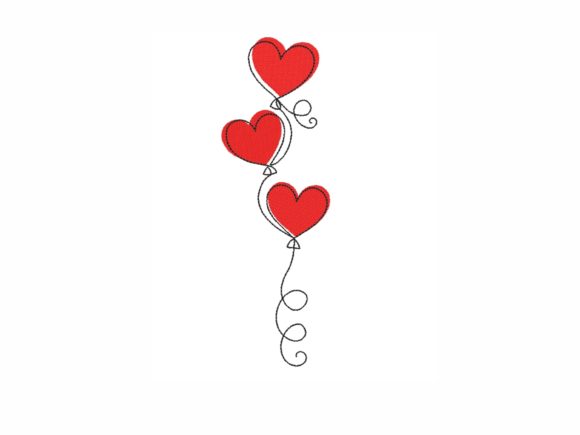
When I load a new embroidery file into my software, I’m looking beyond the preview. I’m thinking about how it will feel stitched out, what kind of fabric it belongs on, and ultimately, what story it tells when it’s part of a finished product. The Balloons design, with its sweet heart motif, presents itself as a classic romantic piece, but my first impression is that its charm is more versatile than its Valentine’s Day category suggests.
The Mood It Creates: Lighthearted and Sentimental
The layout is gentle and open. It doesn’t scream; it whispers a feeling of affection. The visual personality leans towards cute and sincere, avoiding overly complex detail that can sometimes feel cluttered on smaller items. This isn’t a design for bold statement pieces, but rather for projects that aim to evoke a soft, personal touch. It naturally belongs to gifts, heirloom items, and products meant to feel handmade and cherished.
A Real Scenario: Crafting a Boutique Baby Blanket
Imagine preparing a custom embroidered baby blanket for a small shop client. You’re considering Balloons. Its gentle heart shape would stitch out cleanly on the soft cotton, creating a focal point that’s sweet without being overwhelming. The design’s scale likely works well for a medium hoop, allowing it to be a central feature without dominating the entire fabric. A parent’s reaction would be one of warmth—it feels like a loving detail, not just a generic decoration. This is where the design shines: in creating personalized gifts and baby embroidery that carry emotional weight.
Where Balloons Performs Best in Your Projects
This embroidery design has a broad application range. On custom apparel like sweatshirts or t-shirts, it becomes a subtle, tasteful logo or accent. For tote bag designs and pillow covers, it offers a decorative element that doesn’t get lost in daily use. I see it working beautifully for holiday gifts beyond February—think anniversaries, birthdays, or simple “just because” presents. For Etsy sellers and small shop product lines, it can serve as a consistent, recognizable element across a collection of kitchen towels, aprons, or simple patches.
In commercial embroidery, such as small runs for a local boutique’s merchandise, its straightforward shape means reliable stitching and less chance of thread breaks or registration issues, which is crucial for efficiency. The availability of multiple embroidery file formats, as mentioned, is a practical advantage, ensuring compatibility across different machines, which every working designer appreciates.
Visual Appeal and Professional Trust
How does this affect your finished product value? A cleanly stitched, well-placed Balloons design enhances perceived quality. For a craft business, this builds customer trust. The handmade product looks intentional and skilled. For digital product sellers offering the file itself, a design that is obviously versatile and well-constructed becomes a stronger design asset in your shop. Its giftability is high, and its recognition as a symbol of care helps with buyer engagement.
Careful Application: Where to Pay Attention
While versatile, every design has its considerations. The heart shape likely involves some curved lines and possibly satin stitch borders. On very small hoop sizes, those curves need to stitch cleanly—test this first. On textured fabrics like towels or on stretchy fabric like t-shirts, proper stabilizer is non-negotiable to prevent puckering.
I would be cautious using it on very dense, dark fabric backgrounds without careful thread color contrast planning. Light threads on dark grounds need excellent coverage. Also, if the design has any tiny interior details or lettering, those areas might need scrutiny on fabrics that fray easily. For curved surfaces like caps, the design’s overall shape must be evaluated for distortion at the crown. And for items needing frequent washing, like baby clothes, ensure your stitch density is secure to withstand wear.
Practical Designer Notes Before You Stitch
My standard workflow applies here. Always test the design on scrap fabric first, using the same material and stabilizer you plan for the final project. Check how it looks in both light and dark fabric backgrounds; sometimes a design feels different in a black and white mockup. Review the stitch count and density in your software—does it look appropriate for your chosen fabric weight? Confirm the minimum hoop size required; don’t force it into a smaller space than intended.
Most importantly, as a professional, confirm licensing before selling finished items. The description states it “can be used,” but you must verify the terms for commercial embroidery projects and digital product resale. Never assume.
The Final Take: A Reliable, Heartfelt Asset
The Balloons machine embroidery design strikes me as a reliable, heartfelt asset for makers. It’s not a flashy trend piece, but a solid, charming design that can anchor a personalized gift or become a staple in a craft business’s offering. Its true value lies in its emotional resonance and stitching practicality. By choosing the right project, pairing it with thoughtful materials, and applying professional preparation, you can turn this digital file into a physical product that genuinely connects with people—on Valentine’s Day, and on all the ordinary days that deserve a little extra love.