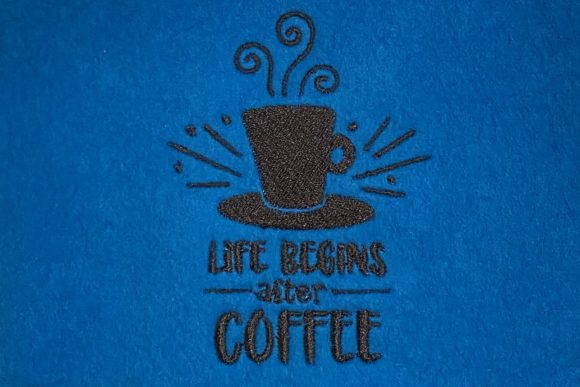
A Designer's Take: Why This Coffee Design Works
When a new embroidery file lands in my library, my first question isn't just if it's cute. It's whether it has that spark of real-world usefulness. Life Begins After Coffee passed that test on the first glance. It's a design that feels immediately recognizable, a shared wink among the morning crowd. The mood is lighthearted and relatable, not overly saccharine. The layout is straightforward—the message is the star, with decorative elements that support it without fighting for attention. This gives it a visual personality that’s confident and clean, which is exactly what you want when translating a digital file into a physical, stitched product.
The Perfect Project Fit: From Tote Bags to Tea Towels
My mind immediately goes to applications where a touch of personal, humorous truth adds value. This isn't a design I'd reserve for a complex, art-piece project. It belongs on everyday items that tell a little story about the person using them or the maker who chose it. Think of a custom embroidered tote bag for a friend who's always juggling a mug and a laptop. Imagine it stitched neatly onto the breast of a soft, cotton sweatshirt—a staple for any small shop selling cozy, statement apparel. It would shine on a kitchen apron or a linen tea towel, bringing a smile to routine chores. For creative entrepreneurs, it’s a strong candidate for a simple, sellable embroidered patch or as a branded touch on small business merchandise like canvas caps.
The design’s clarity and theme make it a natural fit for personalized gifts. A baby item, like a burp cloth for a coffee-loving new parent, becomes more uniquely thoughtful. As a holiday gift or a wedding present for a couple who loves their morning brew, it moves beyond generic. In a boutique setting or an Etsy listing, this kind of design communicates a specific vibe, helping with brand consistency for shops centered around humor, home, or casual lifestyle.
Where It Stitches Up Beautifully
On practical embroidery performance, Life Begins After Coffee looks like a design that will stitch out with good clarity. The lettering appears to be a primary focus, and assuming sensible digitizing, the satin stitches or fill stitches should render the text legible and clean. On stable fabrics like cotton twill for tote bags, mid-weight sweatshirt fleece, or linen for pillow covers, I expect it to hold its shape and detail well. For decorative accents on nursery decor or blankets, the friendly theme works without being overly childish.
It's also a design that lends itself well to digital product previews and printable mockups for those selling the file itself. The strong, central message makes it easy to visualize on various backgrounds, which is key for marketing design assets to other crafters and commercial embroidery businesses.
Considerations for a Flawless Finish
Any experienced embroiderer knows that a great design file still needs thoughtful application. With Life Begins After Coffee, I would pay close attention to a few areas. First, the small details—likely in the decorative elements around the text. On textured fabrics or thin, stretchy fabrics, those details might need extra stabilizer support to prevent distortion. If the design includes tiny lettering or dense stitch areas, it's crucial to test on scrap fabric first to gauge the required hoop size and stitch density. You don't want the message to become a blur.
Dark fabric backgrounds are a classic challenge. The visual appeal hinges on thread color contrast. Before committing to a black sweatshirt, I'd run a test or at least a thorough digital mockup in black and white to see if the intended thread colors will pop sufficiently. On curved surfaces like caps, the layout's central weight should be checked to ensure it sits well without awkward gaps at the edges.
For products destined for frequent washing—like baby clothes, kitchen towels, or everyday apparel—a robust stabilizer choice and quality thread are non-negotiable to maintain that handmade presentation and customer trust over time.
Professional Notes for Your Project
Here’s my quick checklist before hitting start on the machine:
- Always test on scrap fabric. Use the same material and weight as your final project.
- Review thread color contrast. Match your palette to your background fabric for maximum clarity.
- Confirm your hoop size. Ensure the design fits comfortably without being forced into a too-small space.
- Inspect the small decorative accents. Look for any potentially tricky corners or jumps in the file.
- Use proper stabilizer. This is the unsung hero of embroidery quality.
- Check licensing. Before selling finished items or incorporating the design into commercial embroidery projects, verify the terms for the machine embroidery design file.
These steps safeguard the product value, professionalism, and buyer engagement of your final piece. A well-executed version of this design on a gift or shop product speaks volumes about your craft.
The Final Verdict for Makers
Life Begins After Coffee is a design with strong commercial and gift-friendly appeal. It taps into a universal, light-hearted sentiment, making it highly recognizable and engaging. Its straightforward layout suggests it will stitch reliably on a range of common project bases, from custom apparel to home goods. For embroidery designers, small business owners, and hobbyists looking for a design that adds a fun, personal touch without overwhelming a product, this is a solid choice. Its success, as always, lies in the maker's hands—through careful testing, thoughtful fabric and thread selection, and clear understanding of its use rights. When done right, it’s a design that truly feels like life—and a great embroidery project—begins after coffee.