The Egg Embroidery Design: A Small Business Branding Review
A Designer's First Impression: Simplicity with Versatility
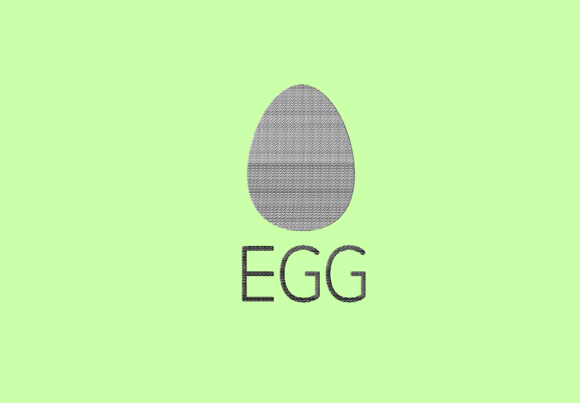
When evaluating the Egg machine embroidery design for commercial use, the immediate impression is one of friendly, approachable simplicity. The description hints at its core personality: cute and simple. This isn't an overly detailed or technical illustration; it’s a clean, foundational graphic. For a small business, this translates into a design that feels handmade, rustic, or playfully classic, depending on how you apply it. It avoids being overly decorative, which is a strength for branding—it can serve as a recognizable mark without overwhelming other design elements on a uniform or product.
Real-World Business Applications for the Egg Design
The potential uses for this embroidery file across various small businesses are substantial. Its description suggests kitchen projects, restaurant designs, and farm decor, which perfectly aligns with numerous commercial niches.
For Uniforms & Professional Apparel
Consider a café, bakery, or farm-to-table restaurant. The Egg design can be an excellent chest logo accent on staff polo shirts or a subtle sleeve detail on chef coats. For apron embroidery, it provides a clean, identifiable mark that reinforces the business’s theme without being too bold. On a dark uniform fabric, ensuring good thread color contrast—like a bright white or cream thread—will make it pop and maintain professionalism.
For Merchandise & Branded Products
For boutiques, Etsy sellers, and handmade brands, this design elevates product value. Embroidered onto tote bags, it creates a charming, rustic accessory perfect for customer gifts or event merch. As a embroidered patch, it can be applied to product packaging, used as a label accent for jarred goods from a small kitchen studio, or even heat-applied to hats for a pet brand selling natural treats. The simplicity of the Egg makes it ideal for small business merch where the brand story is about authenticity and craft.
For Caps & Accessories
Cap embroidery presents a specific challenge due to curved surfaces and typically smaller front panels. The cute and simple nature of the Egg is advantageous here. Its likely lower stitch density should help it sew cleanly on a cap front without puckering, making it a great option for a farm stand or creative studio offering branded caps to staff or customers.
Strategic Considerations for Optimal Results
While versatile, successful application requires careful planning to protect your brand identity and product quality.
- Scale and Placement: Test the design at a small patch size first. If used as a tiny accent on a product label, ensure the outline remains clear and doesn’t become a blurred blob. Always create a printable mockup for client approval before stitching the final product.
- Fabric and Durability: Items like work shirts or tote bags need frequent washing. Use proper stabilizer and test on the real fabric you’ll use for production. A simple design often handles wash cycles better, but correct technique is key.
- Visual Consistency: Compare the Egg beside your other design assets. Does it complement your logo typography or other brand graphics? Its simplicity should aid in visual consistency across different merchandise.
- Commercial Readiness: The description notes it comes with multiple embroidery file formats, which is crucial for production. Before any business use, confirm commercial licensing for the digital embroidery file. Never assume a file is licensed for commercial embroidery without explicit verification.
How the Egg Design Influences Brand Perception
Choosing this design for your custom apparel and merchandise isn’t just about decoration; it’s a branding decision. A well-executed, clean embroidery conveys customer trust and professionalism. It signals attention to detail. For a food-related business, the Egg instantly communicates a product category while feeling handmade and premium. This enhances buyer engagement—a customer recognizes the theme and connects with the brand’s story. On a staff uniform, it fosters team identity and makes the business more recognizable in a local market.
Practical Notes from the Embroidery Studio
Before running production, here are essential steps for any small business owner or apparel decorator:
- Test in Black and White: Sew a sample using a single high-contrast thread color. This reveals the design's core structure without color distractions and helps plan for dark or light backgrounds.
- Inspect Spacing and Density: Check that elements within the design have proper spacing to prevent thread breaks or bulkiness, especially if downsizing for a cap.
- Confirm Hoop Size Compatibility: While the description doesn’t specify, you must match the design's required hoop size to the item you're embroidering. A tote bag might need a larger hoop, while a cap requires a specialized setup.
- Review Thread Color Palettes: Experiment with color. A single neutral thread might convey elegance, while a bright yellow could push a playful, modern brand identity.
- Finalize with a Real Fabric Test: Stitch the final chosen size and colors on a scrap of the actual fabric—whether denim for a tote, twill for a cap, or polyester for a uniform. This is the only way to guarantee the finished product meets your quality standards.
In summary, the Egg machine embroidery design offers a straightforward, thematic graphic with significant potential for small business branding across food, farm, and craft-focused industries. Its simplicity is its power, allowing it to function as a professional mark on uniforms, a value-add on merchandise, and a cohesive element in your broader brand story. By following practical embroidery protocols and focusing on its application as a business asset, you can transform this cute and simple design into a trusted symbol for your brand.