Spider with Web for Halloween: A Designer's Review
Whenever I audition a new machine embroidery design for my craft fair lineup, I ask one question first: does it stop someone mid-step? Spider with Web for Halloween does exactly that. The moment I saw the title, I pictured a creepy-crawly arachnid suspended on a delicate web, the kind of image that makes shoppers grin and reach out to touch the stitching. For a Halloween-themed booth, this design hits a sweet spot—it’s spooky enough to feel festive, yet charming enough to fit farmhouse, gothic, and playful boutique styles alike.
I’ve been testing seasonal designs for my handmade shop for years, and Spider with Web for Halloween immediately feels like a strong candidate for high-volume, high-profit items. Whether you’re an Etsy seller stocking up for October, a small shop product designer, or a creative entrepreneur building a booth display, understanding how this design performs on real-world products is essential. Let’s walk through my full evaluation—from first impression to finished product.
First Impressions: Bold, Spooky, and Sales-Ready
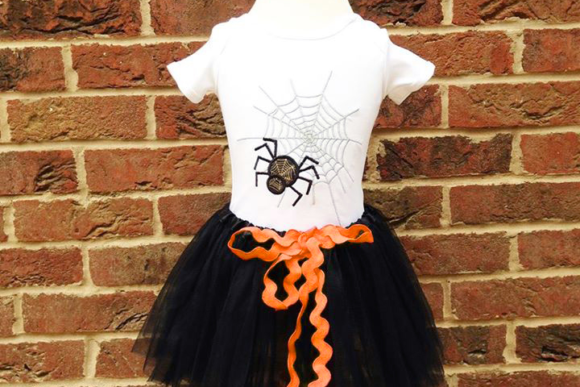
Right away, the design communicates Halloween without screaming. The spider and web motif is classic, versatile, and loaded with visual texture. The description mentions “the webbing shown on the spider’s body” in some photos, which hints at a layered, dimensional effect that can look incredible when stitched out with the right thread colors. I’m picturing a glossy black spider with silver or glow-in-the-dark web accents—details that catch the light in a booth and make a finished product feel premium.
From a brand perspective, Spider with Web for Halloween leans toward the decorative and slightly eerie, but not overly gruesome. That’s a huge advantage at craft fairs, where shoppers range from young families to hardcore Halloween enthusiasts. A design that’s too cute might miss the mark; one that’s too gory limits your audience. This one strikes a balance that I can confidently place on kids’ pouches, kitchen towels, and even upscale tote bags.
Where This Design Shines: Product-by-Product Breakdown
I always test a design mentally across my best-selling product categories. Here’s how Spider with Web for Halloween stacks up for a typical craft fair table:
Tote Bags and Market Bags
A sturdy canvas tote with this design centered on the front is an instant eye-catcher. The web pattern gives a nice sense of movement, and the spider becomes a natural focal point. I’d go with a 4x4 or 5x7 hoop, making sure the web extends to the edges for a wraparound feel. For commercial embroidery, this is a high-margin item—tote bags sell fast at $18–$25.
Aprons and Kitchen Towels
On a black or charcoal apron, a silver-threaded spider and web become elegant and spooky. For tea towels, cotton or linen works well, but I’d avoid heavy terry cloth because the web’s fine threads might sink into the loops. A tea towel embroidery with this design in orange or purple thread can anchor a Halloween kitchen gift set beautifully.
Embroidered Patches
One of my favorite applications. A small, dense patch version of the spider alone—or spider with a simplified web—can be stitched on felt or twill and sold as a standalone item. Patches are quick to produce, have high perceived value, and are perfect impulse buys at $5–$8. I’d test the design at 2.5–3 inches to ensure the spider’s legs and web details don’t close up.
Pillow Covers
A 16x16 or 18x18 pillow cover with this design in a corner or centered creates a spooky accent for a Halloween home decor collection. The web can be scaled to fill the space, and the spider placed strategically. I’d use a medium-weight linen or cotton canvas and a soft poly thread that won’t feel scratchy. This is a high-ticket item ($30+) that draws people into the booth.
Small Pouches and Giftable Accessories
Zipper pouches, coin purses, and makeup bags are perfect for smaller renditions. I’d aim for a 3-inch size, keeping the spider legible and the web delicate. These make great stocking stuffers or add-ons, and they photograph well for Etsy listings.
Caps and Curved Surfaces
Hooping a cap is tricky with a web design because the circular web can distort on the curved front panels. I’d test the design on a flat-bill cap first, or use only the spider element on the side or back. For a classic baseball cap, I’d recommend a smaller spider-only variant to maintain clarity.
Production Practicalities: Stitch Density, Stabilizer, and Repeatability
As a production-minded designer, I’m always thinking about efficiency. Spider with Web for Halloween likely contains areas of high stitch density—especially in the spider’s body and the web intersections. That’s fine on sturdy fabrics, but on thin or stretchy materials, you’ll need a reliable cut-away stabilizer to prevent puckering. I always test on scrap fabric first, using the same fabric texture and color I plan to sell.
Here’s my pre-production checklist for this design:
- Test on scrap fabric in the same color and weight as your final product.
- Check thread contrast carefully—black spider on black fabric may disappear, while white web on light fabric might wash out.
- Review spacing—if the web lines are too close together, they can merge into a solid blob on textured or plush surfaces.
- Confirm hoop size before purchase. The design may require a larger hoop than expected if the web extends far.
- Inspect stitch density in the digitized file. Dense areas can cause thread breaks, especially on high-speed machines.
- Use the right stabilizer: cut-away for knits, tear-away for woven, and a topper for fluffy towels.
- Create at least one real mockup and photograph it in natural light to see how the design reads online.
- Compare fabric colors: orange, black, purple, cream, and gray are all strong Halloween sellers.
- Confirm commercial licensing before selling finished products. The description doesn’t explicitly state license terms, so verify with the digitizer or platform.
The design’s repeatability is good. Once you’ve dialed in your settings, you can batch-stitch dozens of tote bags or patches with minimal thread changes. The web might require a single color, while the spider could be a second color—simple and efficient. If you’re an Etsy seller offering digital embroidery file downloads, double-check that the file format is compatible with your customers’ machines and that you’re allowed to resell the digital file.
Visual Appeal and Customer Engagement
At a craft fair, visual impact is everything. Spider with Web for Halloween has a natural “draw-in” factor. The web pattern creates a sense of intricacy, and the spider provides a focal point that shoppers can identify from several feet away. I’d arrange a display using a black tablecloth, some faux spiderwebs, and a few stitched samples in different sizes and colors. People love to touch embroidery, so have a sample piece they can feel.
This design photographs exceptionally well. The contrast between the web and the fabric, especially on a dark background with light thread, creates a crisp, professional image. For printable mockup purposes, you can easily overlay a flat image of the design onto lifestyle photos if you don’t have the stitched product yet. That speeds up your Etsy listing process and helps you gauge interest before committing to a large production run.
Careful-Use Notes for Common Pitfalls
No design is perfect for every application. Here are a few cautions I’ll share from experience:
- Dense stitch areas in the spider’s body can make the fabric stiff. On a soft garment, consider reducing the size slightly or using a lighter stitch density if the file allows editing.
- Tiny details like the web’s outer strands may disappear if stitched too small. I wouldn’t go below 2.5 inches for the full design.
- Thick fabric such as fleece or heavily napped towels can swallow fine web lines. Use a water-soluble topper to keep the stitches on top of the fabric.
- Curved cap surfaces—I already mentioned this, but it’s worth repeating: the web may distort, so test on a flat surface first.
- Dark fabric with dark thread: if the spider is black and the fabric is black, the design loses its punch. Consider using a metallic silver or neon green thread for the web to create contrast.
Booth Strategy and Brand Consistency
When I’m planning a booth, I think about how each design fits into a larger story. Spider with Web for Halloween can be the anchor of a “Spooky Elegance” collection. Pair it with simple bat silhouettes or moon phases, and you’ve got a cohesive line that feels curated rather than random. This consistency encourages multiple purchases—someone buys a tote, then comes back for a matching zipper pouch.
For boutique makers, this design also lends itself to custom requests. I’ve had customers ask for a name or a date stitched into the web, or a small sparkle thread added to the spider’s back. If the digitized file is well-made, you can often add a small monogram or a few rhinestones without disrupting the overall balance. That turns a $20 item into a $35 personalized gift.
Final Verdict: A High-Impact Halloween Hero
After mentally working through every table category, I’m confident that Spider with Web for Halloween belongs in my craft fair lineup. It’s a design that embraces the season without being overly niche, and it translates beautifully across totes, patches, kitchen textiles, and home decor. The key is to always test first—confirm the hoop size you need, choose thread colors that pop, and use the right stabilizer for each fabric. If you’re an Etsy seller selling digital files, make sure the design’s license covers commercial use and that you’re providing clear instructions with your download.
As I prep for my next weekend market, I’ll be loading up a sample of this design on a charcoal tote, a patch, and a tea towel. I know it’ll stop shoppers in their tracks and spark conversations about Halloween decorating, fun traditions, and all the quirky things that make handmade products so special. That’s the real magic of a well-chosen embroidery design—it’s not just thread on fabric, it’s a connection waiting to happen.