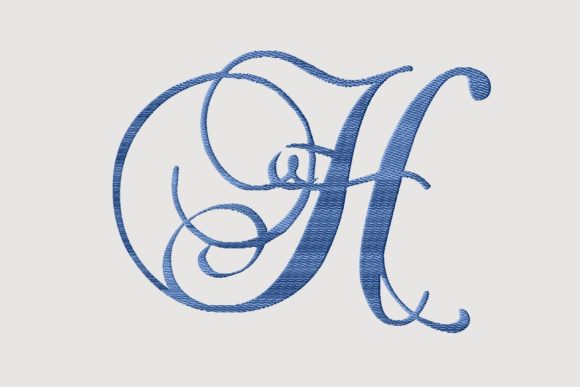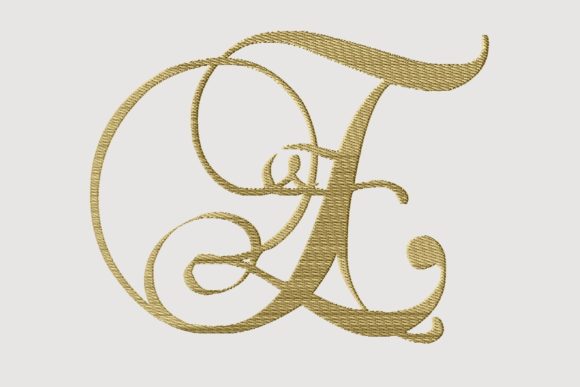
Reviewing the Elegant Monogram G Cursive Script Letter for Market Success
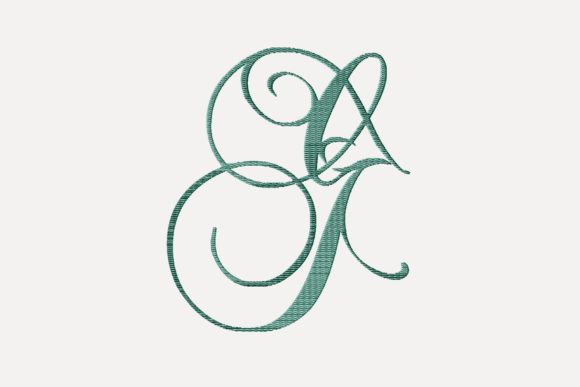
As an embroidery designer preparing for a weekend craft fair, every digital file you choose is a commitment. It represents time, materials, and the potential for a sale. When I look at the Monogram G Cursive Script Letter, my first thought is its clear, elegant purpose. The description notes a “splendid calligraphic style” and that it’s perfect for wedding projects. This sets a specific mood: it’s inherently premium and romantic. It’s not a bold, funny, or rustic design. It’s decorative and soft, aiming for a sense of personalized sophistication.
First Impressions and Display Impact
On a crowded craft fair table, visual clarity is everything. This Monogram G design, being a single, beautifully formed letter, has an immediate advantage. Customers scanning a booth can instantly understand it’s a personalized item. The cursive script suggests tradition and care, which resonates with buyers looking for meaningful, handmade gifts. In a display mixed with tote bags, aprons, and pillow covers, this design would stand out on items that feel special or celebratory.
Imagine a simple, high-quality linen tea towel with this elegant G embroidered in a soft ivory thread. Next to it, a delicate fabric pouch with the same design. They create a cohesive, upscale corner of your booth. This isn’t a design for a rugged market bag or a work cap. Its natural home is on items that convey a giftable, personal touch. For a wedding monogram category, it’s a perfect fit, but its appeal isn’t limited; it could grace anniversary gifts, heirloom-style pillows, or special-order baby items.
Performance Across Key Craft Fair Products
Let’s walk through the practical application on typical handmade products. Your choice of base item dramatically affects how this machine embroidery design is perceived and, ultimately, sells.
Premium Home and Gift Items
For tea towel embroidery or pillow covers, this design excels. The smooth, often light-colored fabrics provide an ideal canvas for a calligraphic letter. The design can be sized as a large focal point on a pillow or a smaller, artful accent on a towel corner. It photographs beautifully for Etsy listings and printable mockups, where clean detail is crucial. On a linen apron embroidery, positioned perhaps on the bib or pocket, it transforms a utilitarian item into a personalized, premium kitchen gift.
Personalized Fashion and Accessories
A tote bag design offers a great middle ground. A well-made canvas tote with this monogram feels custom and stylish. For embroidered patches, however, caution is needed. The intricate swirls of a cursive script can lose clarity when reduced to a very small patch size. A fabric pouch or a cap presents a different challenge: curved surfaces and often thicker fabrics. The design’s success here depends heavily on your machine setup, stabilizer choice, and possibly adjusting the stitch density.
Practical Production Notes for Entrepreneurs
- Always test on scrap fabric first. Use the exact material you plan to sell (linen, cotton canvas, towel texture).
- Check thread contrast. On dark fabrics, a light thread will make this elegant design pop; on light fabrics, a classic navy or burgundy can add depth.
- Review the design’s spacing and tiny details. Calligraphic styles often have fine lines and tight curves. Ensure they remain clear at your intended hoop size.
- Inspect stitch density. Dense areas can be challenging on textured towels or delicate fabrics; the right stabilizer is non-negotiable.
- Create at least one real, finished mockup. A physical sample tells you more than a digital preview ever could about handmade quality.
- Compare fabric colors. Does a cream thread on a white towel look elegant or too subtle? Test a few combinations.
Selling Power and Customer Engagement
This Monogram G Cursive Script Letter affects your booth in several key ways. Its visual appeal is direct and emotional—it speaks to personalization. This naturally increases perceived product value. A monogrammed item feels more custom than a generic pattern, allowing you to price it slightly higher. It also enhances brand consistency. If your shop specializes in elegant, personalized goods, this design reinforces that identity.
At the fair, it encourages buyer engagement. Customers might ask, “Could you do the letter R?” or “Is this for a wedding gift?” It opens a conversation. Having a few finished products with different letters, or even showcasing the G with a “Custom Monograms Available” sign, can drive commissions and custom orders, which are often the most profitable part of a fair.
Critical Checks Before Batch Production
Before you embroider twenty tote bags for inventory, do your due diligence. The description calls this a “high-quality embroidery” design, but as a professional, you need to confirm specifics the description may not provide.
- Confirm the commercial licensing terms of the digital embroidery file. Can you use it to produce and sell finished products at a craft fair or on Etsy? Never assume.
- Understand the technical file details. While the description doesn’t list exact stitch count or formats, you must know your machine’s compatibility and the design’s behavior at various sizes.
- Plan for batch production. Is this design repeatable? Does it have a reasonable stitch count and time-to-stitch that makes producing multiple items efficient? A overly complex design can slow down your output.
- Consider clarity at smaller sizes. If you want to offer small accent items, test the design reduced. Tiny lettering in a cursive script can become a blur of thread.
Final Judgment for the Craft Fair Table
The Monogram G Cursive Script Letter is a strong, focused asset for embroidery business owners targeting the gift and personalized markets. Its elegant, calligraphic style is its greatest strength and also its main consideration. It won’t be a “one-design-fits-all” solution for your entire product line, but where it fits—on premium home goods and personalized accessories—it will sell. It looks good in person when executed well on appropriate fabrics, and it photographs beautifully for your small shop product listings.
My advice is to anchor it to your higher-value items. Use it to create a premium section within your booth that tells a story of customization and care. Pair it with simpler, more rustic designs on other products to offer a full range. Always, always make the sample first. That real-world finished product will tell you everything about how this beautiful letter will perform under the bright lights of the fair and in the hands of your customers.