Handdrawn Outline of an Arrow Direction Pointer
First Impressions and Design Personality
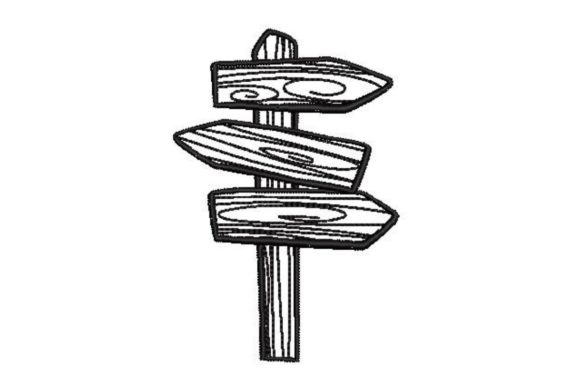
When I opened the Handdrawn Outline of an Arrow Direction Pointer file, the first thing I noticed was its rustic, countryside charm. It’s not a sharp, geometric vector—it’s a sketchy, organic line drawing that feels like it was pulled right from a vintage farm sign. The description calls it a classic countryside-style direction pointer, and that’s exactly what you get. For a small business looking to add a handmade, approachable touch to their merchandise, this machine embroidery design delivers a warm, friendly personality that feels both nostalgic and professional.
The arrow points with a gentle confidence, not an aggressive corporate jab. It’s the kind of mark that would sit beautifully on a farm outfit, but as I’ll explain, its potential for brand identity work goes far beyond personal wardrobe pieces. The lines are distinct enough to read clearly, yet the slight irregularities in the handdrawn style give it a human, artisanal quality. That’s a huge asset for crafters, Etsy sellers, and boutique owners who want their merchandise to whisper “handmade” rather than “mass-produced.”
A Natural Fit for Farm, Rustic, and Handmade Brands
If your business lives in the Farm aesthetic—a bakery, a florist, a pet brand, a farm-to-table café, or a handmade soap studio—this design becomes an instant signature. The Handdrawn Outline of an Arrow Direction Pointer can anchor a visual identity that feels grounded and genuine. I’ve seen similar motifs used as subtle chest logos on work shirts, stitched into the corner of a linen apron, or even added to product labels. The directional arrow itself carries meaning: forward movement, guidance, discovery. For a brand, that can translate into customer trust and a sense of purpose.
Versatility Across Merchandise Types
One of the first things I evaluate in any digital embroidery file is how it will adapt to different surfaces and products. This arrow pointer is surprisingly flexible. Its linear, open structure means it can shrink down to a small embroidered patch without becoming a blob, or scale up to a bold back-of-jacket statement. The design is not overly dense, which is a good sign for stitch density management. I’ll talk more about that later, but from a branding perspective, versatility means you can use the same design asset across a whole line of custom apparel and accessories, keeping your brand image consistent.
Embroidered Patches as Brand Assets
As an embroidery design reviewer, I always think about the patch-making potential. The Handdrawn Outline of an Arrow Direction Pointer works beautifully as a standalone embroidered patch. Picture a simple woven patch with a cream background and dark brown thread, attached to a canvas tote bag or a denim jacket. For a small business, patches are a low-cost, high-impact way to add branding to small business merch without committing to full embroidery on every garment. You can sell them as iron-on patches, use them as customer gifts, or stitch them onto product packaging accents. The handdrawn character ensures the patch doesn’t look like a generic stock icon.
Apron and Cap Embroidery for Staff Uniforms
For a café or boutique, apron embroidery is a branding staple. I tested this design on a digital mockup of a classic bib apron, positioning it on the chest. The arrow pointed slightly upward, creating a subtle, uplifting visual cue. The linework is thin enough that it doesn’t overpower the fabric, yet it’s defined enough to be recognized at a glance. Similarly, cap embroidery is always a challenge because of the curved surface and limited space. This arrow design, with its open outline, stitches comfortably on the front of a baseball cap without the distortion that plagues denser designs. I’d recommend placing it off-center or on the side panel for a modern, streetwear-inspired look.
Tote Bags and Product Packaging Accents
Every handmade shop needs a reliable tote bag design. The Handdrawn Outline of an Arrow Direction Pointer is a dream for this. It’s lightweight in stitch count—though I’ll remind you to check the exact numbers before buying—so it won’t make the bag stiff or heavy. It also works as a decorative element on product sleeves, fabric wraps, or even as a stitched detail on a custom order envelope. The design’s simplicity means it plays well with other branding elements: your logo, a monogram, or a simple typographic line.
Where to Use This Design With Care
Of course, no design is perfect for every situation. Because the Handdrawn Outline of an Arrow Direction Pointer relies on thin, open lines, you need to be careful with small patch sizes. If you try to stitch it at under 1.5 inches, the detail may fill in or the lines may break. The same goes for tiny lettering—if you plan to add text alongside it, keep the font simple and large enough to read. On dark uniforms, the outline can still work, but you must choose thread colors with high contrast. A dark navy shirt with a dark thread will swallow the design. Always test a printable mockup first, and then a real stitch-out on the exact fabric you’ll use.
Items that need frequent washing—like restaurant staff shirts—require proper stabilizer and possibly a cover stitch if the design is placed on a high-stress area. The open lines might be more vulnerable to snagging than a solid fill design, so I’d avoid placing it on heavily textured or loosely woven fabric unless you’re prepared to use a robust backing.
Brand Identity and Customer Perception
When a customer sees a handmade product with a thoughtfully placed embroidery design, it changes their perception of value. The Handdrawn Outline of an Arrow Direction Pointer adds a layer of intentionality. It’s not just a random arrow; it’s a mark that suggests the brand is leading them somewhere—toward better coffee, fresher flowers, or a more personal shopping experience. This kind of visual storytelling builds recognition and trust. In a market flooded with generic logos, a handdrawn element stands out. It signals that the business cares about craft, not just commerce.
Over time, this arrow can become an iconic part of your brand identity. I’ve seen small businesses build entire collections around a single, simple motif. The arrow can appear on packaging, social media graphics, and store signage, creating a cohesive visual language. The finished product—whether it’s a shirt, a bag, or a patch—feels more collected and premium.
Testing and File Preparation
Before you send this design to the machine, do a black-and-white printable mockup to check scale and placement. Then, test it on a scrap of the actual fabric you’ll use. Look at how the stitches sit on the fabric texture; a rough linen will grab the thread differently than a smooth cotton twill. The stitch density should be balanced—open enough to keep the handdrawn feel, but not so open that the outline breaks. If the density is too high, the arrow will lose its sketchy character and become stiff. The hoop size needed will depend on the final dimensions, so confirm that the design fits your machine’s hoop before you start.
Thread and Fabric Considerations
I always recommend testing thread colors against the actual garment. For a rustic look, try a matte cotton thread in a faded teal, mustard, or terracotta. For a more classic brand, a single bold color like white, black, or gold can elevate the design. Avoid variegated threads on this one; the outline is too delicate and the color shifts will muddy the arrow’s direction. As for stabilizer, a medium-weight cutaway backing works well for most apparel, but if you’re stitching on a flimsy tote bag, a tear-away might be enough. The key is to keep the fabric stable so the arrow points true and doesn’t warp.
Commercial Licensing and Deliverables
The description states that this machine embroidery design comes with multiple embroidery file formats. That’s a good start, but before you use it for commercial embroidery on products you sell, you must check the licensing. Some digital files are sold for personal use only, while others include a commercial license. Don’t assume—verify. Also, be aware that the description says it can be used for farm outfits and home accessories, but you may want to stretch it into small business merch like branded merchandise. As long as the license allows, you’re fine. I always keep a folder of licensed design assets with clear usage rights so there’s never a question later.
Final Thoughts on the Handdrawn Outline of an Arrow Direction Pointer
As a designer who regularly stitches for small businesses, I’m impressed by the flexibility and charm of this arrow. It’s a machine embroidery design that doesn’t scream “embroidery” in a dated way—it feels modern, yet timeless. Whether you’re building a brand from scratch or adding a new embroidered patch to your existing line, the Handdrawn Outline of an Arrow Direction Pointer offers a reliable, professional result that connects with customers on a human level. Just remember to test, scale thoughtfully, and always keep your brand’s story in mind. An arrow is a simple symbol, but in the right hands, it can point your business toward a stronger, more cohesive future.