Crafting a Winning Sports Embroidery Design for Market Day
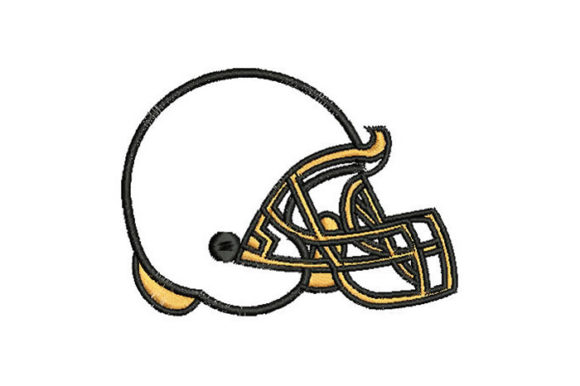
Let’s talk about turning a digital design into a real-world, saleable product. Today’s review is for the American Football Helmet embroidery file. My job is to look at this sports-themed design through the eyes of a weekend vendor: will it stand out on a crowded craft fair table, and how can we make it shine?
First Impressions & Market Appeal
The American Football Helmet design immediately strikes me as bold and decorative. It’s not cute or minimal; it’s a statement piece for a specific audience. This is a strength. At a handmade market, customers scan tables quickly. A clear, recognizable sports emblem like this can instantly connect with football fans, making it a high-potential niche product. It feels modern, graphic, and has a premium, team-logo vibe that can elevate a simple item.
Where This Design Will Stand Out: Product Applications
Your craft fair booth is a curated collection. Placement is key. Here’s where I envision the American Football Helmet performing best.
Top Tier: Caps, Patches & Pouches
This design is a natural fit for caps. The curved surface of a baseball cap is perfect for a central, bold helmet logo. It becomes a custom, fan-focused item with immediate appeal. As an embroidered patch, it’s equally strong—sew it onto a backpack or jacket for a ready-to-sell, low-fuss product. Smaller fabric pouches or key fobs with this design act as affordable, giftable items that still showcase the detailed embroidery.
Strong Contenders: Tote Bags & Pillow Covers
On a tote bag or market bag, this design should be positioned as a focal point, not an accent. Its boldness can transform a simple bag into a sporty, statement accessory. For pillow covers in a fan’s den or dorm room, it offers a decorative, handmade touch that mass-market retailers don’t provide. The value perception here is high.
Consider with Caution: Kitchen Textiles
On tea towels or aprons, the context shifts. It works best if you’re targeting a “game day” or “tailgate” theme for your kitchen line. On a plain apron, a large helmet can be fun and thematic. However, on textured towels, fine details may lose clarity. Always test on scrap fabric first, especially with terry cloth or linen.
Practical Production & Selling Points
Turning a file into a stack of products requires a practical eye.
Understanding the Design at a Glance
The American Football Helmet is easy to understand visually—it’s a helmet. This simplicity is a huge advantage for both online and in-person sales. In your Etsy listings or printable mockups, the product’s purpose is clear. For batch production, this clarity means customers grasp the value quickly, speeding up decision-making at your booth.
Scale & Photography Tips
This design likely works best as a large focal design. Shrinking it down too much for a small accent might compress details like grill patterns or any contour lines. When photographing finished products, especially on dark fabric, ensure high thread contrast. A white or bright helmet on a dark tote bag photographs beautifully and grabs attention. Always create at least one real mockup for photos—digital mockups can’t reveal stitch texture.
Repeatability for Batch Production
For a weekend fair, you want efficient, repeatable production. Assess the stitch density and thread color changes in the file. A design with very dense areas or many color shifts takes longer to stitch per item. This affects your pricing and how many units you can produce. Before batch stitching, check the hoop size requirements and use the appropriate stabilizer for your chosen fabric—a cap requires different handling than a canvas tote.
Careful-Use Notes for a Professional Finish
Small details make the difference between a hobbyist piece and a professional handmade product.
- Dense stitch areas: If the helmet fill is very dense, it can create stiffness on lightweight fabrics like quilt cotton for pouches. Test it.
- Tiny details: Check for any extremely small elements, like tiny lettering on a chin strap. These may vanish on textured fabrics or at smaller sizes.
- Curved surfaces: On caps, ensure your stabilizer and hooping technique prevent puckering around the curved seams.
- Fabric choice: This graphic design will pop on smooth, mid-weight fabrics like canvas, cotton twill, or felt for patches.
Booth Display & Customer Engagement
At the fair, your display tells a story. Group the American Football Helmet products together to create a themed “sports corner.” A helmet-embroidered cap displayed next to a matching tote bag and a few patches shows versatility and encourages multiple purchases. The design’s boldness gives your booth visual strength—it’s an easy focal point that draws the eye of passing fans.
This design boosts product value by feeling official and crisp. It reinforces handmade quality when stitched cleanly with good thread coverage. For brand consistency, if your shop leans into sporty, modern, or fan-culture items, this design fits seamlessly.
Final Designer Checklist Before Production
Before you stitch a single sellable item, do this:
- Test on scrap fabric: Use the same material you plan to sell (canvas, cotton, etc.).
- Check thread contrast: Try it on both light and dark backgrounds to see which sells the look better.
- Review spacing & details: Look at the stitched sample for any unclear lines or gaps.
- Inspect stitch density: Feel the fabric after stitching. Is it too stiff for the intended product?
- Confirm commercial licensing: The description mentions multiple embroidery file formats. Ensure your license allows for selling finished products at craft fairs and online.
- Compare fabric colors: Stitch the design on a few different color bases to offer variety at your booth.
The American Football Helmet machine embroidery design has strong market potential for the right audience. Its graphic, bold nature makes it a standout for caps, patches, and statement bags. By focusing on production quality, thoughtful product pairing, and clear booth presentation, you can turn this cool sports design into a craft fair success.