Craft Fair Ready: The Little Lion Cross Stitch Pattern
When I’m preparing for a weekend craft fair and selecting patterns to transform into products for my booth, I judge each design through a specific lens: Will it sell? Does it look impressive in person? Is it practical to produce? Today, I’m reviewing Cross Stitch Pattern Little Lion. This digital embroidery file presents a charming lion motif, and I’ll break down exactly where I see its potential for craft fair sellers, boutique makers, and creative entrepreneurs.
First Impression: Cute, Soft, and Instantly Giftable
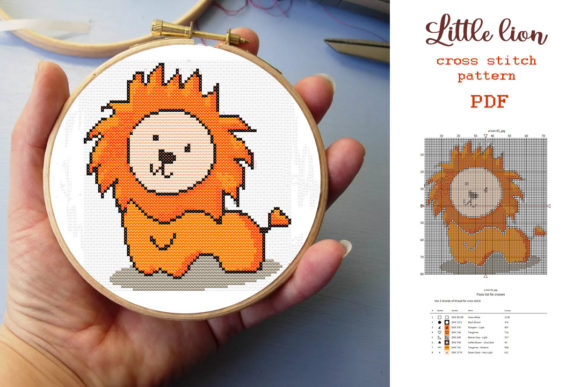
Based purely on the title and description, the Little Lion pattern evokes a feeling of soft, cute charm. It’s not bold or rustic, nor overly minimal or modern. This design sits comfortably in the decorative and giftable category. That’s a powerful starting point. At a craft fair, customers are often looking for pieces that feel personal, heartwarming, and suitable for a quick gift purchase. A lion, often a symbol of bravery or family, taps into that emotional resonance without being overly festive or niche. The provided color scheme with symbols and list of cross stitch floss suggests a thoughtful, approachable design, which translates well into the handmade quality buyers seek at markets.
Where This Little Lion Stands Out on Your Booth Table
My immediate thought when curating a display is visual hierarchy. What products will catch a browsing customer’s eye from three feet away? For Cross Stitch Pattern Little Lion, its 72 x 80 stitch size is key. This is a substantial but not overwhelming count. Here’s where I’d deploy it:
- Tote Bags & Market Bags: As a large focal design centered on the bag. The lion becomes the star, making the bag a statement piece rather than a simple accessory.
- Pillow Covers: Perfect scale for a decorative pillow. It adds a soft, homey touch to a booth, suggesting comfort and craftsmanship.
- Aprons & Kitchen Towels: For a more subdued application, placing it on the corner of an apron pocket or a tea towel creates a delightful accent. It feels rustic and functional.
- Embroidered Patches & Small Pouches: This is a crucial test. At a reduced size, would the lion’s details remain clear? I’d be cautious. The pattern might lose clarity if scaled down too much for a cap or a tiny pouch. It’s likely best as a main feature.
The lion’s friendly demeanor makes it ideal for handmade gifts like framed hoop art or children’s items. Having a real, stitched sample of this on my booth table—maybe on a pillow cover—would immediately engage buyers by showcasing the tangible texture and quality.
Practical Production: From Digital File to Sellable Product
Turning a digital embroidery file into a batch of craft fair products requires a pragmatic review. The pattern description provides a clear PDF with the design, color guide, and floss list. This is excellent for production clarity.
Ease of Execution & Batch Production
The design seems straightforward to understand at a glance, which is vital for efficient stitching, whether by hand or machine. For machine embroidery design conversion, the symbol-based color scheme is a helpful reference. The 72 x 80 stitch image size gives me a concrete area to plan my hoop size and fabric cuts. Is this pattern repeatable for batch production? Absolutely. Its charm is consistent, and stitching multiple lions on a series of tote bags would create a cohesive, strong brand look for my small shop product line.
Critical Considerations for Quality Results
Before running any machine or committing to a large batch, I always follow a checklist. For the Little Lion pattern, I’d advise:
- Test on Scrap Fabric First: Always. Check the stitch density on your intended fabric—is it too dense for a lightweight tea towel or too sparse for a thick tote?
- Check Thread Contrast: Use the provided floss list, but compare it on your actual fabric colors, especially for dark fabrics where some colors might disappear.
- Review Spacing & Hoop Size: Confirm the design fits comfortably within your standard hoop for your target product. A misjudged size wastes time and material.
- Use the Right Stabilizer: Fabric texture matters. A textured towel or a curved cap surface demands proper stabilizer to maintain design integrity.
- Create One Real Mockup: Never rely solely on a printable mockup for your Etsy listing or booth plan. A physical sample reveals true texture and appeal.
- Confirm Commercial Licensing: The description doesn’t specify license terms. Before selling finished products, I must verify that my purchase includes commercial use rights for this digital embroidery file.
Selling Power: Customer Attention & Product Value
How does Cross Stitch Pattern Little Lion affect the final sale? In person, a well-embroidered lion on a pillow or tote bag has strong visual appeal. It’s not generic; it feels bespoke. This elevates the perceived product value. Customers notice the detail and the theme, often connecting it to a recipient—a child, a friend who loves animals, a new homeowner. That connection drives engagement and sales.
For Etsy sellers and online listings, the design likely photographs well. The clear color blocks and defined shape should look sharp in listing photos, communicating the handmade quality effectively. Using it across a product line—tote bags, aprons, pillow covers—builds brand consistency, making your booth or shop look professional and focused.
Careful-Use Notes for Optimal Results
My experience dictates a few warnings. While the pattern is charming, be mindful of:
- Dense Stitch Areas: If the lion’ mane or body uses many stitches in a small area, it could create a very thick, stiff patch on lightweight fabrics like linen tea towels.
- Tiny Details: Small features like eyes or whiskers might require precise stitching. At smaller sizes (for a patch), they could blur.
- Scale for Caps & Pouches: Embroidering on a curved cap surface or a small fabric pouch is tricky. The lion’s size might need adjustment, and the design could distort. It’s safer on flat, larger items.
Final Judgment for the Craft Fair Entrepreneur
Cross Stitch Pattern Little Lion is a solid contender for your handmade market inventory. It leans into cute, decorative appeal, which has broad marketability. Its provided resources make it a practical choice for production. For maximum impact at your craft fair booth, I recommend focusing it on larger, flat surfaces as a focal design: the tote bag, the pillow cover, the apron’s center panel. These items become showpieces that attract customer attention and justify a higher price point through evident craftsmanship.
Always start with a test piece. Stitch it, feel it, photograph it. That real-world product judgment is what separates a hobbyist from a professional embroidery designer building a successful, sellable line. This pattern has the ingredients to help you do just that.