A Mid Century Modern Paper Embroidery Design Review
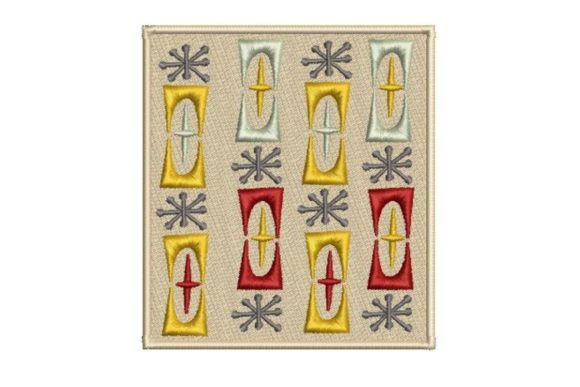
When I first saw this Mid Century Modern Paper design, I felt a quiet sense of calm. It’s not loud or brash. It feels architectural yet soft, like a stylized blueprint from a gentler era. It’s a delicate and fresh background that whispers, rather than shouts. That’s its biggest strength and the key to understanding how it will perform in real projects.
The Mood It Creates & Where It Belongs
This design has a clean, artistic personality. It’s detailed but not chaotic, with a layout that feels balanced and intentional. It evokes a sense of order, creativity, and mindful simplicity. This isn’t a design for a bold, statement sweatshirt. Instead, it naturally belongs on pieces where the embroidery is a subtle enhancement, a thoughtful accent.
Imagine stitching this onto a high-quality canvas tote bag for a boutique. It wouldn’t be the main event; it would be the sophisticated texture that makes the bag feel uniquely crafted. Or consider a linen pillow cover for a nursery or a modern living room. The design would add a layer of visual interest without overwhelming the space. It’s perfect for personalized gifts where the recipient appreciates subtlety—a tea towel for a friend who loves minimalist decor, or the cuff of a simple cotton apron for a small shop’s branding.
Performance in Real-Life Embroidery Projects
Thinking practically, how will this machine embroidery design stitch out? Its delicate nature means success depends heavily on context.
For custom apparel like t-shirts or lightweight sweatshirts, stabilizer choice is paramount. The design’s fine lines and open areas could be lost or distorted on stretchy fabric if not properly supported. On a sturdy cotton tote bag or a structured cap, it would hold its shape beautifully, becoming a refined logo or decorative element. For baby clothes or blankets, it offers a gentle, non-bulky decoration that feels handmade and safe.
As a digital embroidery file for a craft business, it’s a versatile background asset. An Etsy seller could use it to create a series of coordinated kitchen textiles. An apparel decorator might use it as a repeating pattern on a garment’s hem. For printable mockups and digital product previews, its clean lines would render clearly, helping customers visualize the finished product.
Where It Requires a Careful Approach
This is a design that rewards a thoughtful setup. On dark fabric, thread color contrast is critical; a light, crisp thread will make the pattern sing, while a poor choice will render it invisible. On textured fabrics like some towels or sweaters, the finer details might get lost. Small hoop sizes could be a challenge if the design’s scale isn’t adjusted appropriately—those delicate corners need space to stitch cleanly.
For products that need frequent washing, like baby items or kitchen towels, I’d advise a test run on scrap fabric first to see how the stitch density holds up over simulated wear. The goal is for it to remain a delicate accent, not to fray or peel. On curved surfaces like caps, the layout’s flat, geometric nature might need slight repositioning to look intentional, not warped.
Affecting Value, Trust, and Presentation
Using a design like Mid Century Modern Paper correctly elevates your work. When stitched neatly onto a light linen shirt, it increases the product’s perceived value. It feels curated, not random. For a customer, that builds trust—they see a thoughtful design choice, which reinforces the handmade presentation and professionalism of your brand.
For giftability, this design is a winner. It’s not trendy or flashy; it’s timeless. An embroidered patch with this pattern on a journal cover feels like a permanent, personal addition. In a small shop’s merchandise lineup, it provides brand consistency if used as a subtle signature on various products. It engages buyers who are looking for something artistic and understated.
Practical Notes for Embroidery Designers
Before loading this embroidery file for a client project, my routine would be this:
- Stitch it out on a scrap of the exact target fabric first. This is non-negotiable. See how the fill stitches and running stitches behave.
- Check thread color contrast against both light and dark fabric backgrounds. Does it have the delicate, fresh touch the design promises?
- Review the stitch density visually. Are areas too dense for the fabric? Are open areas too sparse?
- Confirm the hoop size needed for the scale you intend to use. Inspect the small details in your test stitch-out.
- Create simple black and white mockups to visualize it on products. This helps decide placement.
- Always use the proper stabilizer. This design’s beauty lies in its clarity.
- Finally, and crucially, check the licensing terms for this digital embroidery file before selling any finished product or incorporating it into commercial embroidery projects for your business. Understand your rights as a maker.
Mid Century Modern Paper is a background that offers a lot of creative opportunity for those who approach it with a practical, observant eye. It won’t work on everything, but where it fits—on that minimalist tote, that serene pillow, that personalized gift—it will truly shine, adding that artistic and beautiful touch exactly as intended.