A Designer’s Look at Hiking Boots Shoe Prints Embroidery
First Impressions: Charm and Adventure in Every Stitch
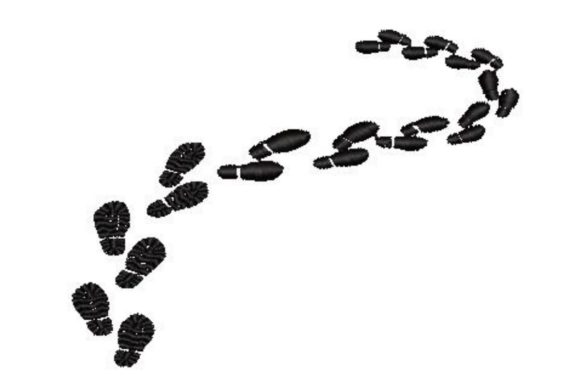
When I opened the Hiking Boots Shoe Prints embroidery file for review, my first thought was, “This is pure, simple charm.” It’s a design that immediately evokes a sense of adventure and love for the outdoors, yet carries a wonderfully gentle, handmade quality. The mood is playful and sweet, perfect for creating gifts that feel personal and heartfelt rather than overly formal or commercial. The level of detail appears balanced—not overly complex, which is excellent for longevity on items that will be used and washed, but with enough character to clearly convey the idea of little hiking boots. This makes it incredibly versatile across styles: it can feel classic on a linen pillow, modern on a minimalist tote, or downright adorable on a baby blanket.
The Perfect Canvas: Gift Ideas Where This Design Shines
Thinking through my usual personalized gift planning, I can see this design performing beautifully across so many product categories. For baby embroidery, it’s an instant winner. Imagine these tiny boot prints on a nursery item like a blanket or wall hanging—a subtle nod to future adventures with a new little explorer. For wedding gifts or family keepsakes, stitching it onto a kitchen towel or apron for a couple who loves hiking adds that deeply personal touch a store-bought item never could. It’s equally suited for craft fair products and Etsy listings aimed at campers, outdoor families, or anyone wanting to commemorate a special trip.
The applications are vast: custom tote bags for gear, pillow covers in a cabin or camper, embroidered towels for a mountain home, even aprons for the cook who also loves the trail. As an embroidery designer planning products, I appreciate designs like this that serve multiple markets—from baby product creators to wedding gift designers—with one digital embroidery file. It simplifies inventory and allows for easy custom order previews.
Points of Careful Application: Where to Test and Adjust
While the design’s simplicity is a strength, it’s crucial to consider its application on specific materials. On fabrics with a pronounced texture, like thick terrycloth towels, the smaller elements might need slight adjustments in stitch density to remain crisp. On dark fabric, careful thread color selection for maximum contrast is non-negotiable for visibility. I’d be particularly mindful stitching it onto stretchy baby clothes or on curved surfaces like hats; a robust stabilizer and possibly a smaller hoop size would be key here.
Any very delicate details or potential small lettering should be checked closely after a test run to ensure they haven’t lost definition. And for products destined for frequent washing—like kitchen linens or baby items—a thorough test on scrap fabric of similar weight and weave is essential to guarantee durability. These practical steps protect the handmade quality and ensure customer satisfaction.
Elevating the Gift: Emotional Connection and Perceived Value
Hiking Boots Shoe Prints inherently boosts a product’s giftability. It tells a story. That story builds an emotional connection for the buyer and, ultimately, the recipient. This connection directly enhances the perceived value of the finished item. A customer isn’t just buying a towel; they’re buying a memory, a hope, or a shared passion stitched into fabric. This is a powerful tool for Etsy sellers and small shop owners.
In product photography, such a design allows for thematic staging—perhaps with a map, a small pinecone, or other outdoor elements—which dramatically increases buyer engagement. It signals handmade quality and thoughtfulness, which builds customer trust. They can see it’s not a generic mass-produced graphic; it’s a specific, meaningful piece of art applied with skill.
Practical Steps Before You Stitch for a Customer
Before running this design on a real customer order, my professional checklist would include:
- Test on scrap fabric identical or very similar to the final product material.
- Check thread color contrast meticulously, especially if moving from a light to a dark fabric application.
- Confirm hoop size suitability—the design dimensions should be clearly provided in the file information.
- Review stitch density on your test piece to ensure it’s appropriate for the fabric (not too sparse or too dense).
- Use proper stabilizer for the specific fabric type (cutaway for stretchy fabrics, tear-away for stable cottons, etc.).
- Compare light and dark fabric mockups if you offer digital previews to clients.
- Check small details after stitching to catch any potential thread breaks or filling issues.
- Most importantly for business owners: Confirm commercial licensing before selling finished products. The product description mentions personalizing gear, but the terms for commercial embroidery use must be verified directly with the file creator or distributor.
A Design Ready for the Trail and the Home
In my assessment, Hiking Boots Shoe Prints is a delightful and highly usable machine embroidery design for the personalized gift market. It captures a niche passion—Camping and hiking—while remaining accessible and sweet enough for broader audiences like families and new parents. Its emotional appeal is its greatest asset. For the embroidery maker, it presents a straightforward application with clear areas for mindful testing to guarantee perfect results on everything from a delicate baby blanket to a rugged backpack. By following those practical embroidery notes and respecting the design’s scale and intent, you can create finished products that customers will cherish, reinforcing the true value of custom embroidery in today’s marketplace.